

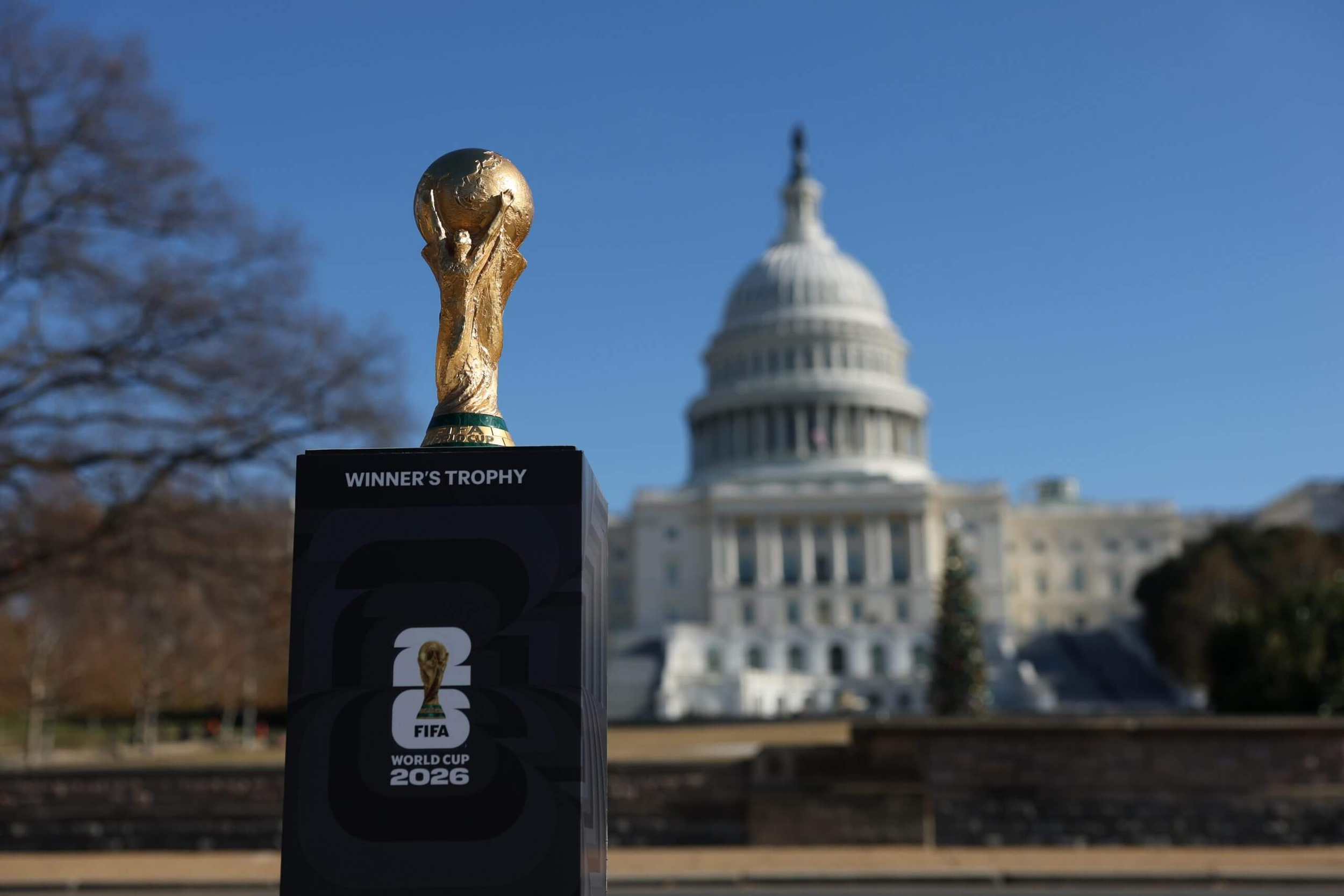
Words and Photos by Sasha Hartman | Published 18.07.2026It’s a World Cup summer. The football shirts, the face paint, the flags are aplenty. It is, admittedly, my first World Cup. Like many of you did when you were just young, I am getting to know and fall in love with all that is good about the World Cup - the talent, the patriotism, the drama, the joy.
Possibly unlike many of you, though, one of the first things in my consciousness of the World Cup - FIFA in particular - was the dark underbelly, the humanitarian issues, the corruption. I had heard of these things long before I found football - as someone who lives in the world, who cares about sport, who has had a passion for social issues since I was young.
I am drawn to the Men’s World Cup this year. Not least because it is the first in my football fandom, but also because it has been (in Canadian terms anyways) in my back yard. I live an hour or so away from Toronto, and Toronto Stadium (better known as BMO Field) is one of the home grounds of my club AFC Toronto.
I must admit I am kicking myself slightly, as the Women’s World Cup was held in Canada in 2015. It would have been a dream to attend, although I did have a screaming three-month-old at the time and likely would not have gotten to groundhop the country like I would have wanted to anyways.
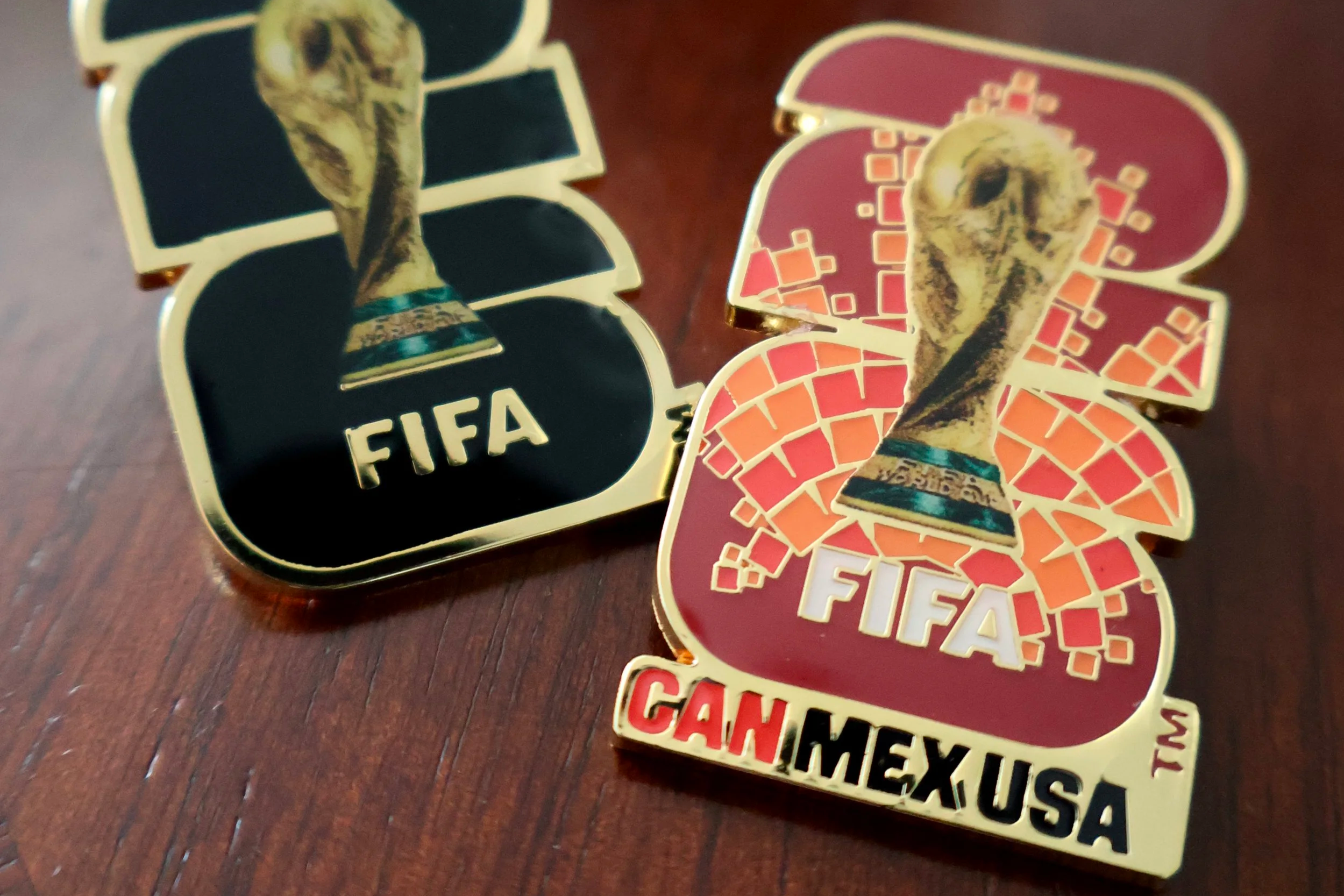
Commemorative pin badges for the 2026 Men's World Cup.It may be the scale and severity of the issues associated with FIFA, or the proximity of the Men’s World Cup to my home, or even my general propensity to focus on such things, but one of the aspects I’ve been following during this Men’s World Cup (besides Canada’s historic run, obvs) is how social issues are evolving or are intertwined with the tournament.
There are many very serious, very awful things associated with the Men’s World Cup. We’ve seen many stories of extremely poor treatment of officials and athletes in this tournament, in particular by the US and FIFA, including the Somali referee, Omar Abdulkadir Artan, being denied entry to the country and the terrible treatment of Iran’s national team.
Off the pitch, the threat of domestic abuse related to the World Cup is still very real, with research finding that cases go up in England after wins or draws but especially after losses by the national team.
Further, there is the extremely concerning number of male footballers who commit rape, with Ghana’s Thomas Partey, Morocco’s Achraf Hakimi, and Cape Verde’s Ryan Mendes currently facing rape charges - in addition to the numerous players who have faced allegations in the past, including Kaishu Sano from Japan, officials and coaches within Argentina’s national team set up, and notably Portugal’s Cristiano Ronaldo.
It is necessary to consider the social issues associated with the Men’s World Cup not least because they are severe and widespread in their consequences, by definition.
But also, sport is a social and cultural phenomenon which, at this scale, can either exacerbate or work to mitigate these issues of global importance.
Here, I’d like to do two things: underline the social issues related to the Men’s World Cup as well as highlight some unique opportunities being afforded to the football community of Toronto as part of being a host city.
Patriarchy teaches us that men are the default. In the sporting world, this typically means the main/best/default league or club is the men’s one, with the women and/or gender non-confirming ones being secondary (at best).
As one very clear example, in North America we have the National Basketball Association (you guessed it - for men) and the Women’s National Basketball Association, with the men’s league not needing that gendered qualifier. This view of men as default typically means that non-male sports are provided with less developed systems, fewer resources, less air time, and lower pay – and this list could go on.
Issues related to gender have popped up a few times at this Men’s World Cup. Have you noticed I’ve been calling it the Men’s World Cup this whole time? Many of us, in casual conversation and across media channels, are making this distinction when we talk about this tournament to support a shift in this ‘men as default’ narrative.
If you think this type of thing isn’t necessary, I’d point you to one recent example - the social media flurry around Messi’s 16th World Cup goal against Algeria. While a part of the internet was loudly congratulating him as being the highest scoring World Cup footballer, another part was quick to correct that the title was actually held at the time by Brazillian forward Marta, who’s tally sits at 17.
The gender inequity in football hits home here in Canada. Despite our women’s national team historically and consistently outperforming our men, women’s football has long been seen as ‘less than’ in the country, including for many years by our national federation.
But change has begun in this space (see the documentary The Pitch for a moving account). As one notable example, Canada’s first professional women’s league - the Northern Super League (NSL) - launched in April 2025. As a testament to the draw of women’s sports in this country, the league ranked fifth internationally in attendance among women’s football leagues in its first year.
The buzz of Men’s World Cup games happening in Toronto, as you can imagine, was seen to have strong potential for AFC Toronto, my local club in the NSL. Harnessing the interest around the sport in the city can further strengthen the growing fanbase for the club. This has been the hope of the club as they’ve represented professional women’s football at the FIFA Fan Festival.
They’ve had a dedicated space designed to welcome new fans at a time when they are excited about football. Showcasing the women’s game in this way during the Men’s World Cup is hopefully a step towards supporting football that is inclusive of all genders. The stronger foundation we can build for young girls in the country to access and play football, the better chances the Canadian system can continue to support our women’s national team on the international stage.
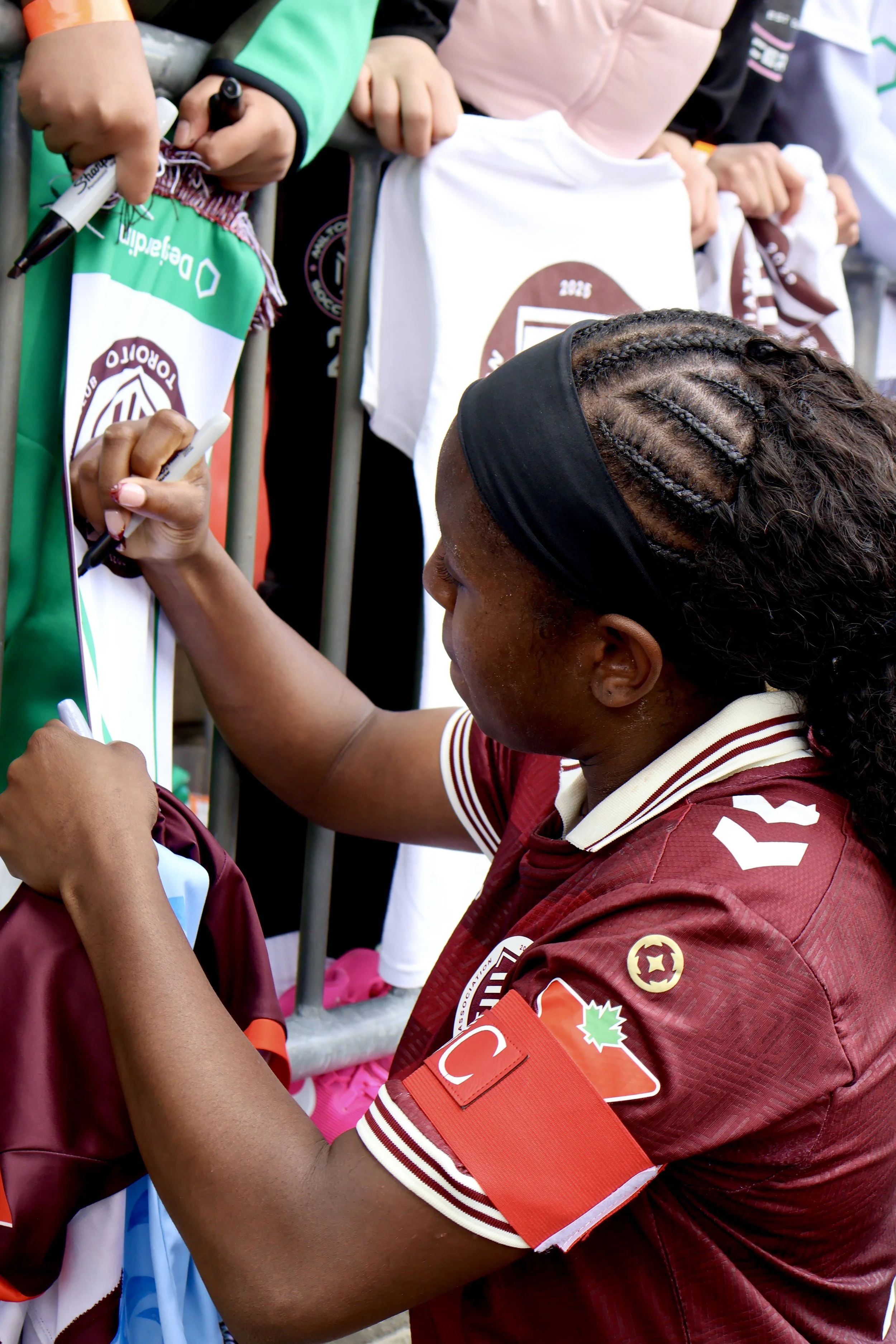
AFC Toronto captain Nikayla Small signing autographs.Homophobia and transphobia are often rampant at Men’s World Cups. For example, a Mexican homophobic chant has plagued several international competitions, including this one. The Three Lions Pride, the LGBT+ fan group for the England national football teams, posted a statement denouncing the use of this chant during the Round of 16 game, directed towards Jordan Pickford, and called for a response from FIFA and the Mexican FA.
FIFA even started tracking (and reportedly addressing) social media abuse with the Qatar Men’s World Cup in 2022, finding that 12.2% of abusive messages detected were homophobic and 0.3% were transphobic. Much of this homophobia and transphobia can be tied back to public sentiment and policy in participating nations.
Several countries still have, or are continuing to enact, laws against homosexuality and/or being transgender. It is unsurprising, then, that LGBTQIA+ people have been found to feel uncomfortable in grounds and other places where football fans gather to watch and celebrate. This effectively excludes a sizable and important part of the football fanbase.
To provide a safe and inclusive space for watching the Men’s World Cup, a Pride House has been opened in Toronto, with locations in American and Mexican host cities as well. Pride Houses are venues where supporters can view large scale international sporting events with others, while also learning about the LGBTQIA+ community as well as homophobia and transphobia in sport.
Pride House Toronto 2026 is a space run by local volunteers from the LGBTQIA+ and football communities. It has been hosting free viewing parties and events and generally acting as a community hub to help strengthen connection and support for the duration of the tournament.
Pride House Toronto 2026 events have included panels on inclusivity in sport and activities around local pride events, including Toronto FC’s pride match and the Toronto Pride Parade which is the second largest annual Pride event in the world.
I was lucky enough to be in attendance with my closest friends for the Round of 16 match between Canada and Morocco. Although the match saw Canada exit the tournament, the atmosphere at Pride House was as energetic, welcoming, and (pun intended) prideful.
The rainbows, Canada flags, and visibly queer fans (and boos when Infantino’s face popped onto the screen) were aplenty. Pride House Toronto has created a space where queer people and their allies alike feel comfortable to show up as themselves, can return to the space for more games, and build connections with like-minded football fans.
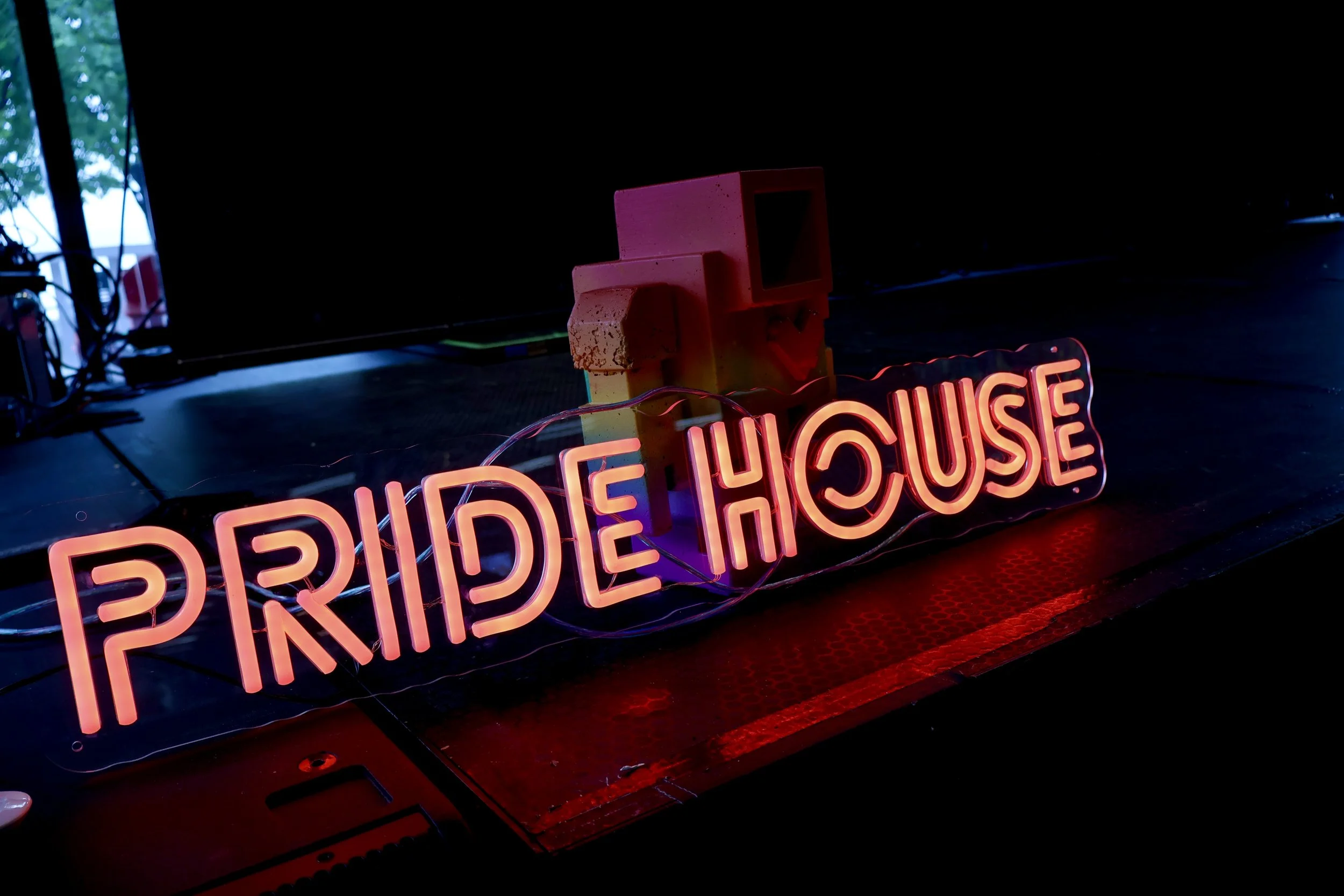
The sign for Pride House, an LGBTQIA+ friendly space where matches are shown in Toronto.Leading up to the Men’s World Cup, one of the key issues highlighted for Canada as a host country was how the tournament may impact homelessness. An Amnesty International report expressed concern over people experiencing homelessness in Vancouver and Toronto being displaced for the tournament.
Displacing people in this way can make people feel more unsafe and expose them to greater risks of harm and violence. Fears of displacement were fueled by reports of this occurring during the 2010 Winter Olympics held in Vancouver and the growing housing crisis in the country.
This concern appears to have not been unfounded - since the tournament began, there have been reports of unhoused people being harassed by security and police at Union Station in Toronto.
The Canadian Street Soccer Association is a charitable organisation that works at the intersection of homelessness and football. It focuses on using football to improve the lives of those experiencing social exclusion, homelessness, or poverty. The organisation offers programmes that are informed by both research and lived experience, that focus on mentoring and rehabilitation, and that strive to build community and restore dignity.
They do so through weekly inclusive football sessions, local and national tournaments, and international events like the Homeless World Cup. As part of the Men’s World Cup, the Canadian Street Soccer Association was invited by the City of Toronto to help launch mini football pitches in the city’s core, which have been built as part of the Toronto legacy initiatives for the tournament.
The launch saw players gather from around the greater Toronto region to take the pitches for a spin. While the event supported the visibility of the organisation, the pitches provide further infrastructure for their programming.
There is no doubt that there is a lot to enjoy about the World Cup. I have texted several friends over the last few weeks - friends who’ve been fans of football their whole lives - ‘I LOVE THE WORLD CUP’, as if I’m declaring I’m finally in on a secret they’ve known all along.
But also, as can’t be denied if you are aware of even a fraction of what I’ve covered above, there’s much that can be done to further harness the power of this social and cultural event to move us forward on important social issues.
I have several hopes for what some of these things may be.
I hope that all of this excitement for and attention to the Men’s World Cup continues next year for the Women’s World Cup in Brazil. And I hope the rumors that Marta may come out of retirement to reclaim her record are true. More broadly, I hope that we continue to see the energy build for the women’s game as a whole.
Women’s football deserves no less fandom, airtime, investment, pay, resources, anything than the men’s game, and all of the figures on the growth in women’s sports validate that.
I hope that we take a long look at the culture of men’s football. I hope that we take meaningful steps to defend the inclusion of our queer and trans fans and athletes, that we build supports to prevent domestic abuse at the hands of football fans, and that we take a stand against the epidemic of rape by male footballers by restricting their ability to enter the pitch when faced with such accusations.
It is probably a pipe dream to hope for FIFA reform, for reduced corruption or more discernment in the selection of host countries and the human rights requirements of them. But I did see some discussion around what it could look like if FIFA were run by queer women, and my interest is certainly peaked.
Here in Canada, a shift that has already occurred as a result of this Men’s World Cup is how we talk about ourselves in the international football landscape. As a country we are (relatively) new. As a football nation we are (relatively) new.
But we seem to be in agreement that in our showing at this tournament, both in terms of our players and our supporters, we’ve conquered something - we’ve become a football country.
Even Christine Sinclair - the leader for international goals for men or women at 190, with 331 caps for Canada - noted in a post about the Men’s team Round of 16 loss how ‘they’ve helped turn Canada into a soccer nation.’
I hope this ‘arrival’ of our country on the international football stage brings the hard-earned attention to not only our men’s but our women’s national teams, and to our other professional leagues, including the NSL.
I hope that who Canada is as a country - our values around equity and inclusiveness and safety - allow us to have a positive impact on the culture of football.
I hope it allows us to opening more hearts through the beautiful game.
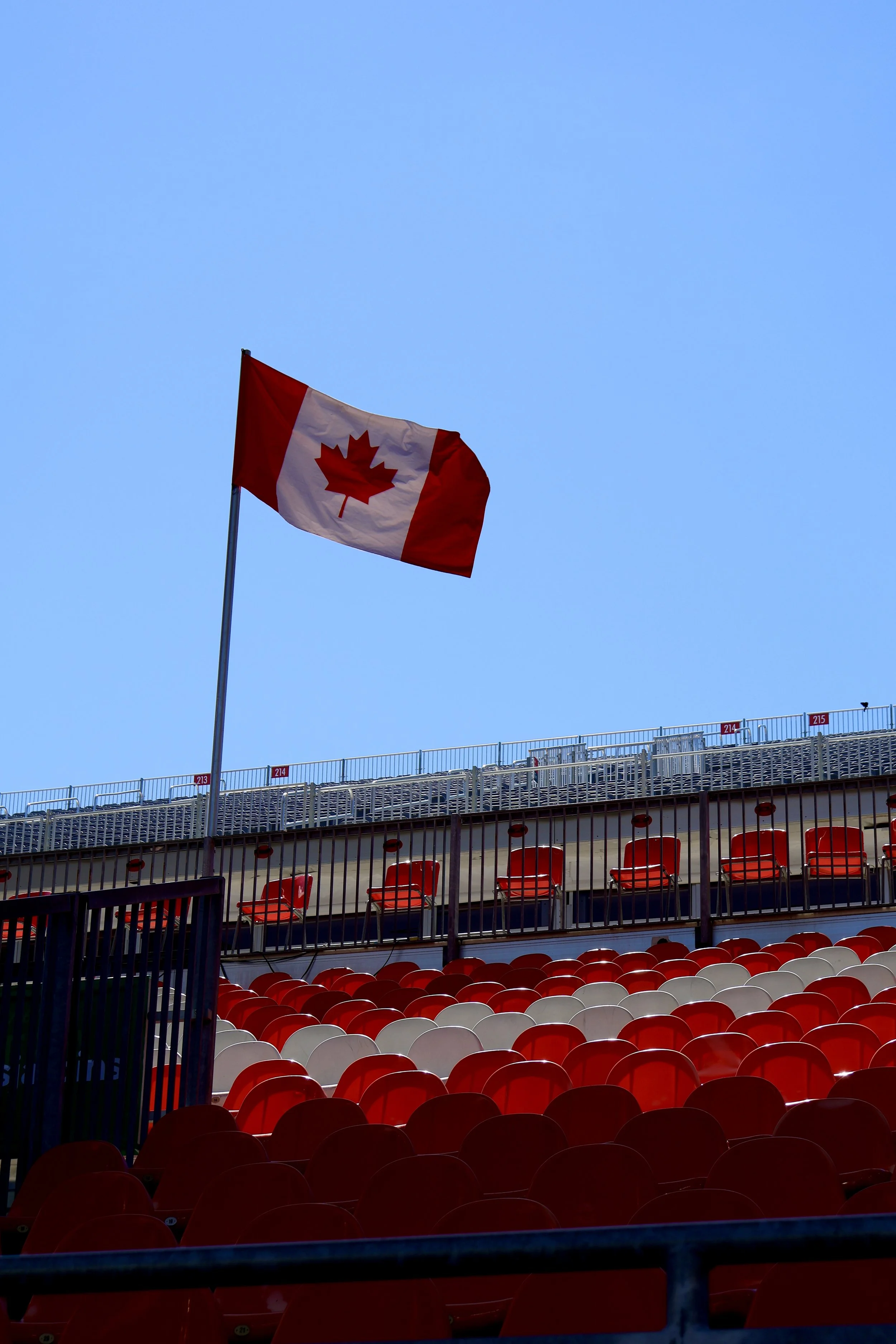
The Canadian flag flying at Toronto Stadium.