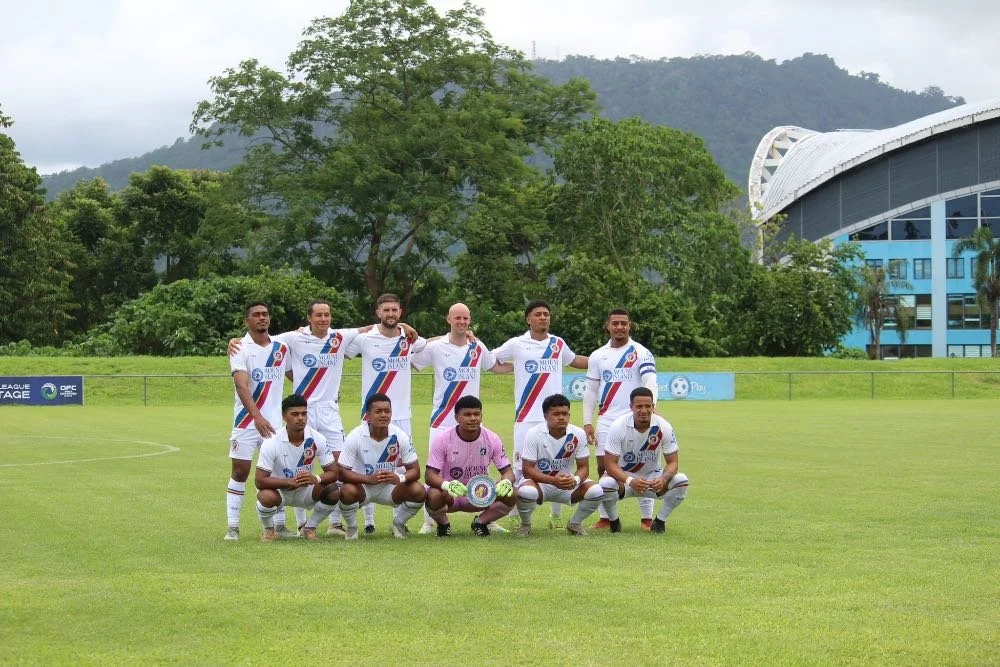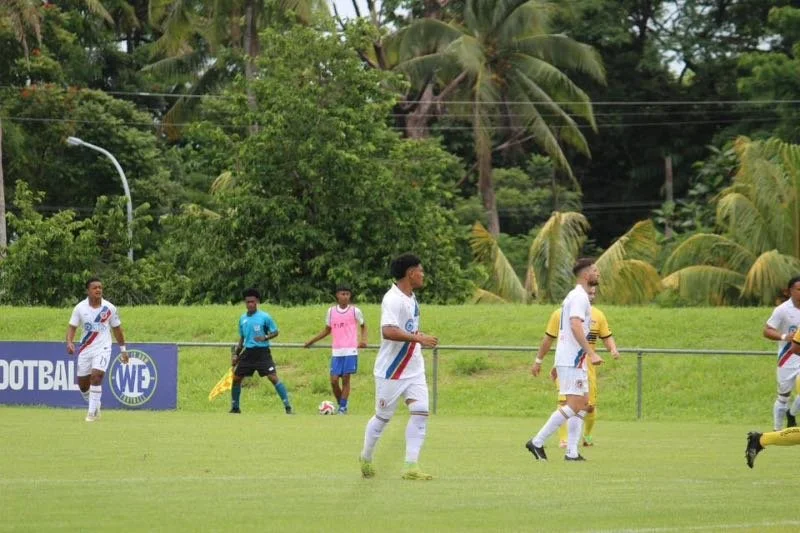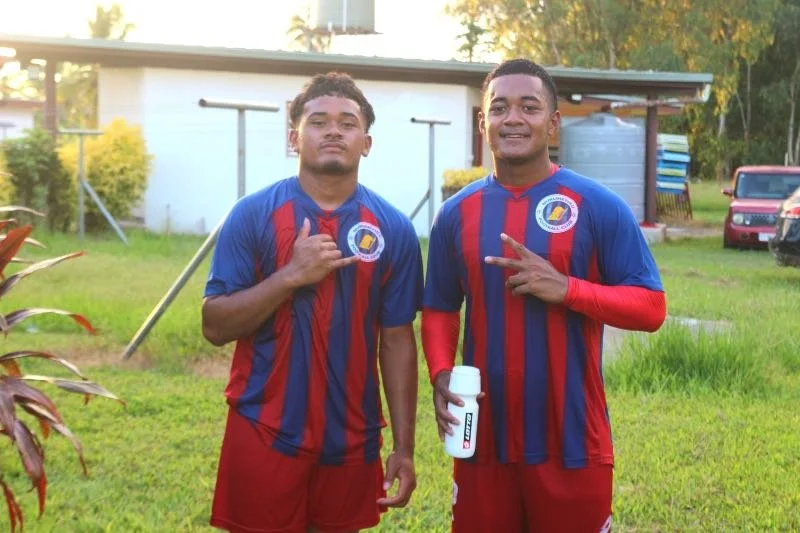
Words by Christos Kazantzoglou | Published 15.04.2026In a corner of the Pacific Ocean, where football doesn’t have the spotlight or the millions of Europe, there’s a relatively new team called Nukuhetulu Football Club.
Based in the islands of Tonga, it may be only nine years old, yet it has already achieved something that takes others decades: rising to the top of the local league and representing its country on the international stage.
Behind this journey stands Lafaele Moala — the club’s founder, coach, and player — a man who, with genuine passion, built a haven for the youth of his village. With vision, discipline, and a deep belief in the power of sport, he turned a small community into a football force in Tonga.
In the interview that follows, I, Christos Kazantzoglou spoke with him about the challenges of football in the Pacific, the philosophy behind the “Young Warriors,” and just how far a team can go when it refuses to believe in the word “impossible.”
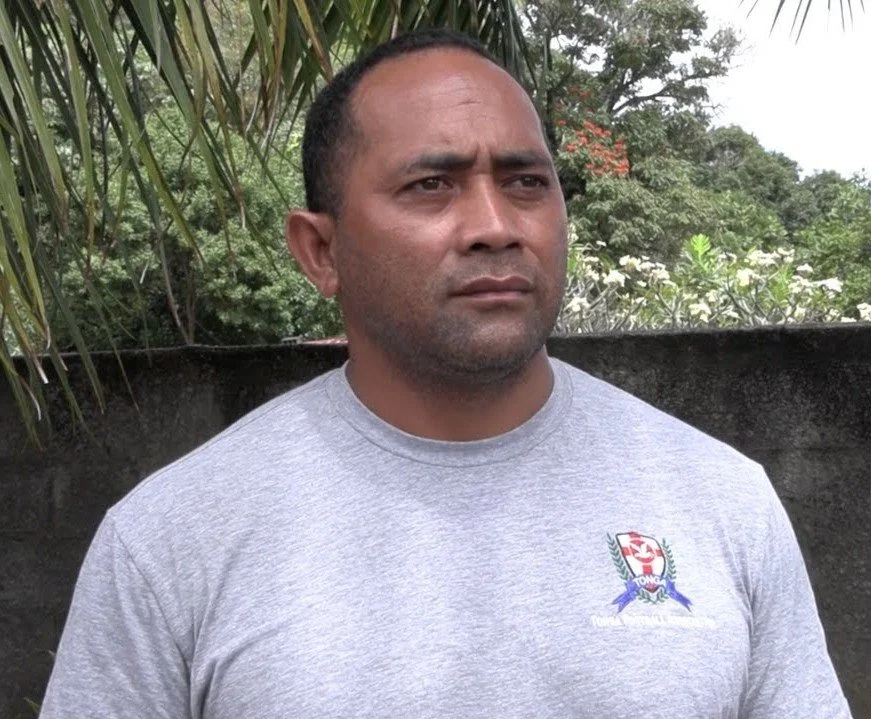
Lafaele Moala, former Tongan international footballer.
Photo Credit: Oceania Football ConfederationChristos: Can you tell me a few things about yourself and your role in the team?
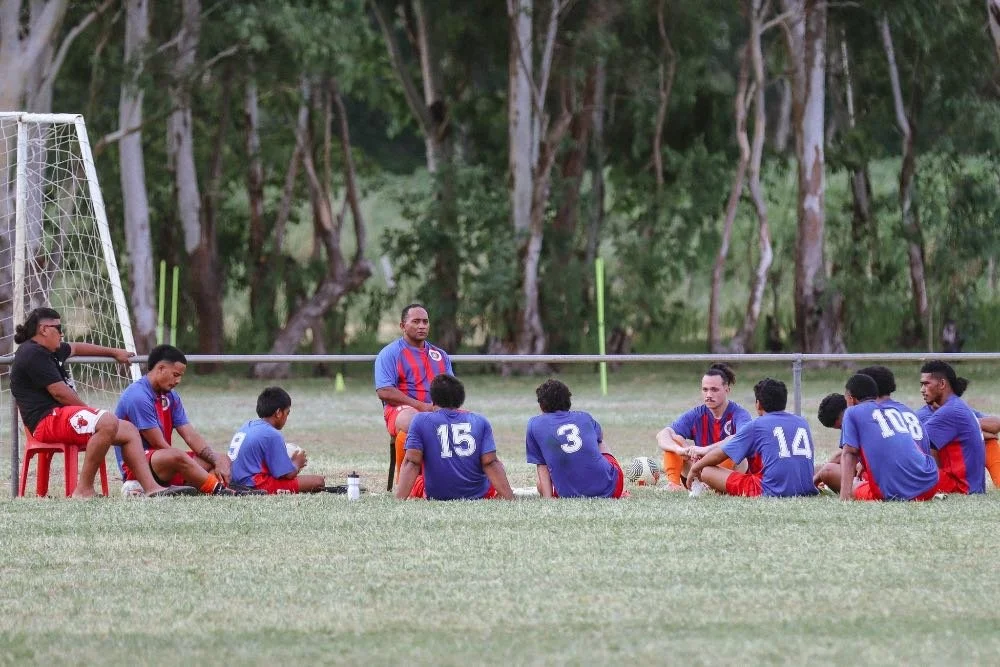
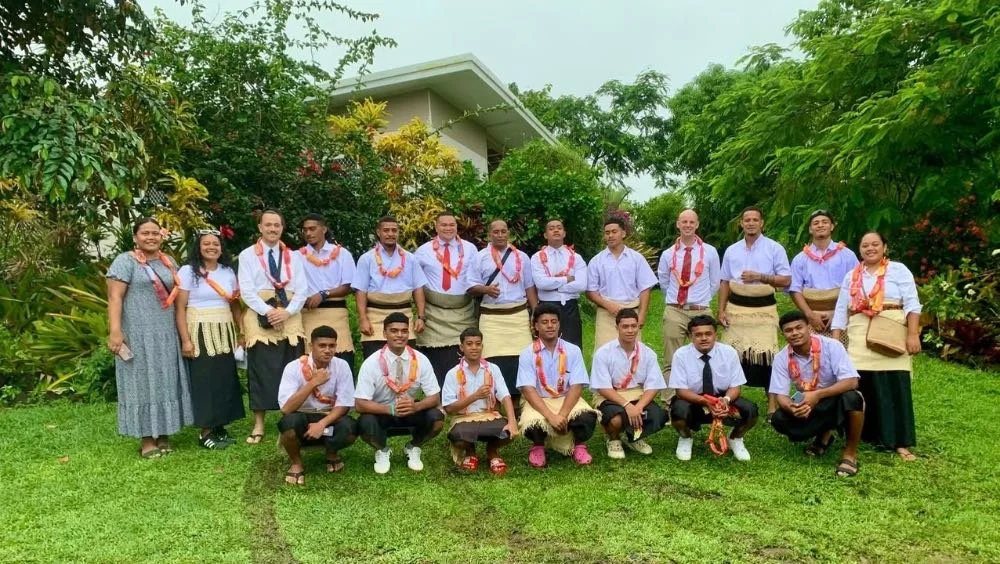
Lafaele: My name is Lafaele Moala, and I am the founder, head coach, and player of Nukuhetulu Football Club. I played 15 years for Lotoha'apai United and 6 years for Veitongo FC before starting my coaching journey. After marrying my wife in 2016, I decided to start a team in her village, Nukuhetulu. I saw many young people who had dropped out of school and were involved in alcohol, smoking, and glue sniffing. I wanted to help them through football, and my wife fully supported me.
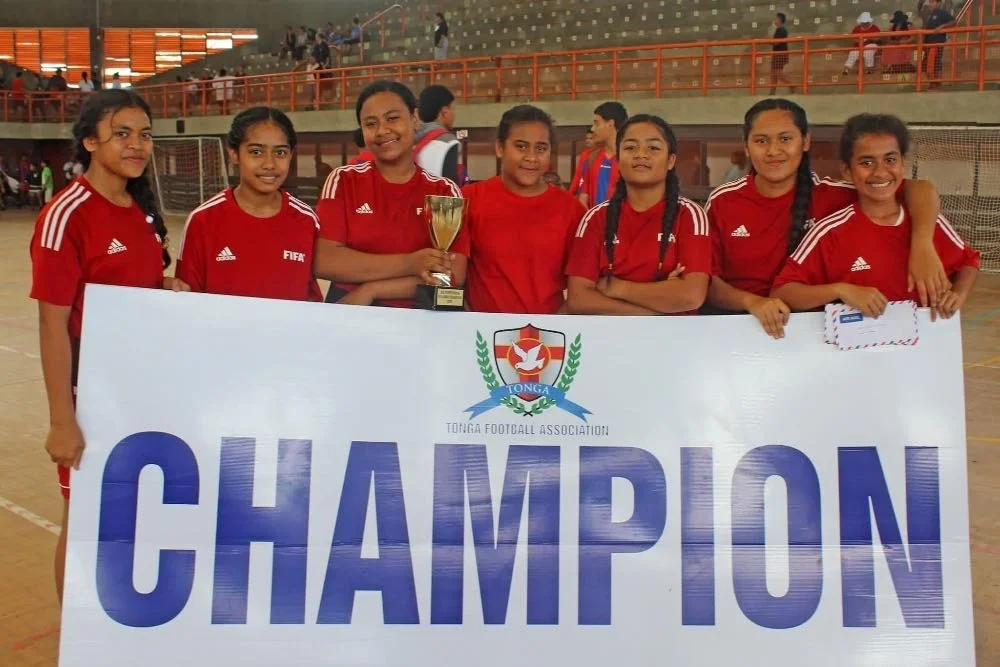
We started in the Just Play Program in 2017 and joined the Tonga Football Association competition in 2018. At first, we struggled and lost many games, but we kept improving. Since then, we have reached the Men’s 2nd Division final three times and won twice. Last year was historic for us—we won the Men’s and Women’s Premier divisions, as well as the U14 and U16 Girls divisions. Nukuhetulu Football Club won 4 out of 6 categories in last year’s TFA Local Competition.
Christos: Can you tell me a bit about the club? The team is only 9 years old, yet you quickly won the local championship and went on to compete in the OFC Men’s Champions League qualifying stage, which is truly impressive.
Lafaele Moala: I always tell my boys that there is no such thing as magic — only hard work, sacrifice, and dedication. It has always been my vision for this team to one day take the championship crown from my former club, Veitongo Football Club.
In Tonga, only Lotoha’apai United and Veitongo FC are well known for representing the country in the OFC Club Championship. Nukuhetulu village has long been known for volleyball, but since starting this football club, many young players have joined.
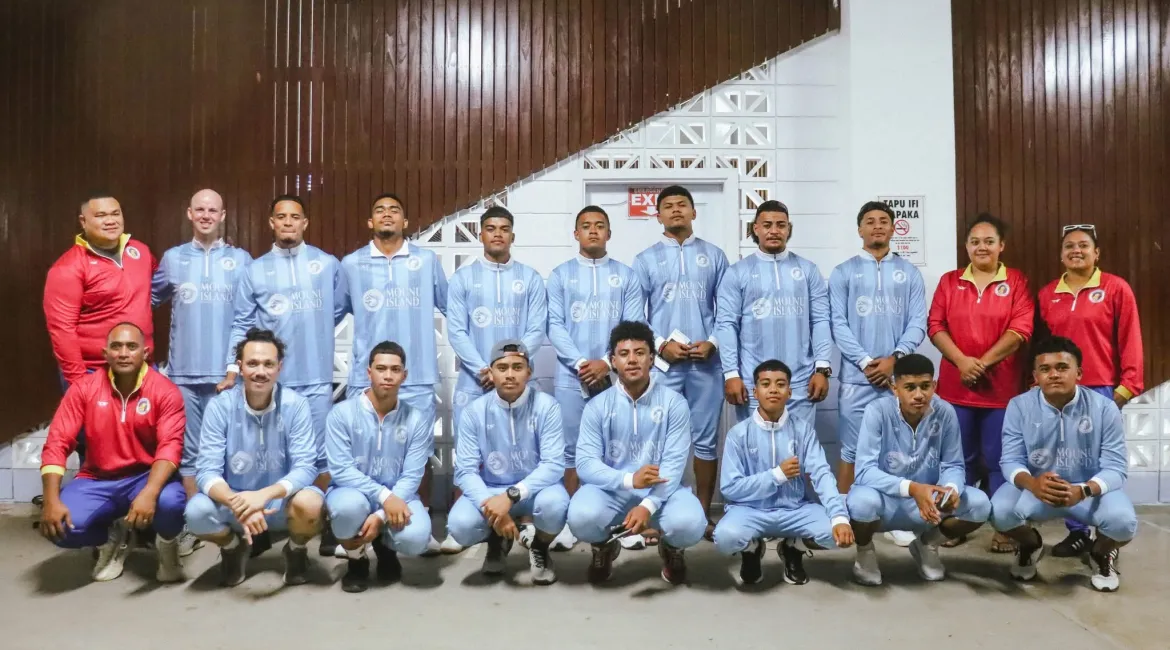
Representing Tonga on the international stage is a dream come true. Although we didn’t win in our first OFC campaign, the experience was a big lesson for our young team. My plan was to see results after 10 years, but they achieved this in just seven.
Christos: What is it like to play football in Tonga, in the Pacific Ocean? For us here in Greece, it feels quite exotic and fascinating.
Lafaele: Playing football in Tonga is a special experience. The island nation in the Pacific Ocean has a unique culture and tropical climate. For Nukuhetulu, playing often means dealing with heat over 30 degrees Celsius and high humidity. The fields are usually grass or dirt, which can be difficult, especially during the wet season. Because of the heat, the game can be slower, but the players’ passion and dedication keep it exciting.
Football in Tonga is more than just a sport. The community is close, and many players grow up playing together. Matches bring people together with music, cheering, and strong support. For me, football is about giving back to the community and helping young people build skills and confidence. Even though Tonga is a small island nation, our love for the game makes it something truly special.
Christos: What are the main challenges of playing in the Pacific Ocean region, especially when it comes to major competitions?
Lafaele: Football in Tonga faces several major challenges. One of the biggest issues is geographical isolation, as traveling to other countries for competitions is expensive and time-consuming. Limited funding also makes it difficult to improve facilities, equipment, and training programs. Tonga’s small population reduces the number of talented players available, and many players do not have access to high-level coaching or regular competitive matches. In addition, long travel distances can cause fatigue and affect team performance. Despite these challenges, football in Tonga continues to grow through strong community support and dedication from players and officials.
Christos: Why did the club choose a Spartan warrior as its emblem?
Lafaele: The Nukuhetulu Football Club chose a Spartan warrior as its emblem because of the values and principles that the Spartans embodied. The Spartans were known for their bravery, discipline, and strength, both on and off the battlefield. These qualities are highly respected and admired in Tongan culture, and the club saw the Spartan warrior as a symbol of the values they wanted to instill in their players and represent in their community.
From my own perspective, the idea to use a Spartan warrior as the emblem came about because of the team's underdog story. When the club first started, they were considered outsiders and were not expected to achieve much. However, through hard work, dedication, and perseverance, they were able to overcome the odds and achieve success.
The Spartan warrior emblem serves as a reminder to the players and the community that with courage, discipline, and determination, anything is possible. It also symbolizes the club's commitment to developing strong, resilient, and courageous players, both on and off the field. In addition, the Spartan warrior emblem has a strong cultural significance in Tonga.
The Tongan people have a rich history of warrior culture, and the idea of a fierce and brave warrior resonates deeply with the community. The club's use of the Spartan warrior emblem is a way of paying homage to this cultural heritage and connecting with the community's values and traditions.
Overall, the Nukuhetulu Football Club's choice of a Spartan warrior as its emblem reflects the club's values of bravery, discipline, and strength, as well as its commitment to community and cultural heritage. We also use the name "Young Warriors" for our team name as a reminder to all of the players - they don't need anything else to take to the war zone but their spear and shield.
Christos: How far do you think this team can go?
Lafaele: Well we will go step by step, the first step for us is to beat the local current champion in order to qualify for the OFC Club Championship, the second step is try to qualify for the 2nd stage, 3rd step is to qualifying for the pro league and the last step is to qualifying for the Club World Cup. Some, they might say it won't happen, but Rome was not build in one day.
It's just the beginning for Nukuhetulu FC and our jouney. Impossible is nothing; only our hearts and minds make things impossible, but if we have a strong mind and brave heart we can face anyone or anything on our way without fear.
All photos courtesy of Nukuhetulu FC.