

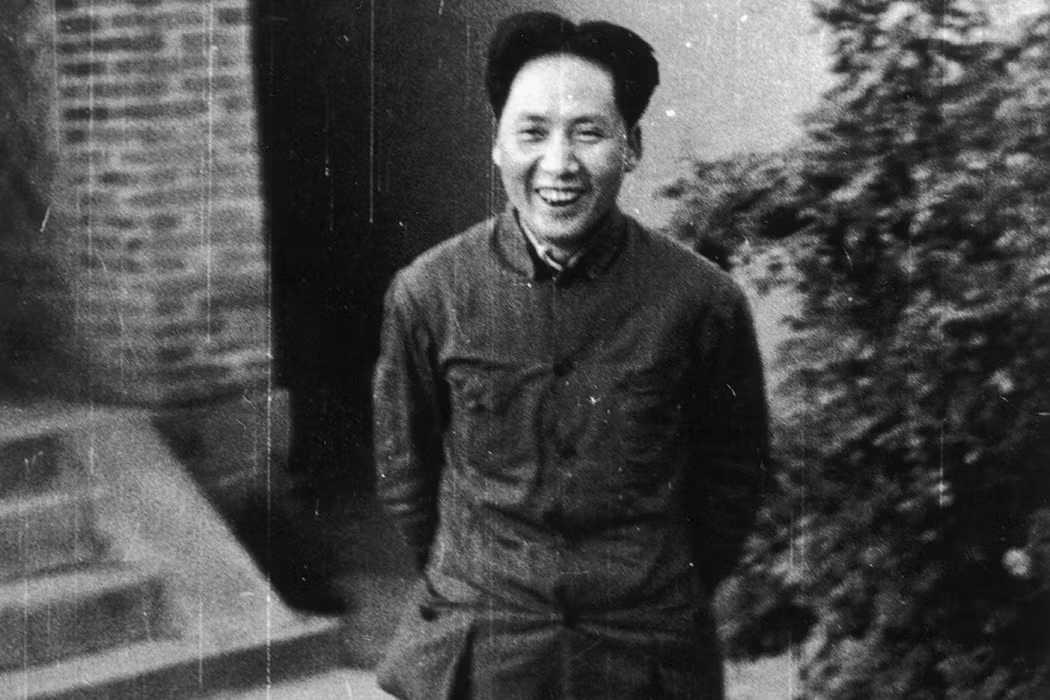
Words by Christos Kazantzoglou | Published 26.08.2026Football is rarely associated with Mao Zedong, yet the founder of the People’s Republic of China maintained a lifelong appreciation for sport and physical fitness.
As a student at Hunan First Normal School in Changsha, the future Chinese leader was known for his imposing 1.83-meter frame and athletic build.
He played as a goalkeeper for his class football team, embracing his belief that a strong nation required both an enlightened mind and a strong body—a philosophy that would shape his views on physical education for decades to come.
During his years at Hunan First Normal School, Mao’s interests extended far beyond the classroom. The institution, originally founded centuries earlier as Chengnan Academy during the Southern Song Dynasty (1127–1279), became one of the most influential centers of education in Hunan.
Mao spent eight formative years there as a student and teacher, a period that played a crucial role in shaping his worldview before he entered the national political stage.
The school’s emphasis on personal discipline, education, and physical development reinforced Mao’s belief that intellectual growth and physical strength were essential qualities for the younger generation.
That connection between sport and personal development resurfaced on October 30, 1955, when Mao made what remains his only recorded appearance at an international football match.
The historic encounter took place at Beijing’s Xiannongtan Stadium, one of the city’s most significant sporting venues of the era.
Originally built in 1936 as the Beiping Public Stadium, the ground had already become an important symbol of modern Chinese sports infrastructure before the founding of the People’s Republic.
Located in Dongcheng District near the ancient Xiannongtan, or Altar of Agriculture, the stadium carried both historical and cultural significance, linking China’s sporting ambitions with its broader national heritage.
Renovated between November 1986 and September 1988, Xiannongtan Stadium later developed into one of Beijing’s notable football venues, with a capacity of around 24,000 spectators.
By the mid-1950s, it provided a fitting stage for major football events and international encounters, including the memorable visit of Soviet club Zenit Leningrad.
In the packed stadium, a Chinese select side faced Zenit Leningrad in one of the most notable football events held in China during the 1950s. At the time, China’s football structure was closely tied to state ministries and sports academies, meaning the team that took the field effectively represented the core of the Chinese men’s national side.
Against one of the Soviet Union’s strongest clubs, the hosts produced a determined display.
China fell behind 2–1 during the second half but rallied to secure a 2–2 draw, earning widespread praise for its resilience. The result was celebrated not only as a sporting achievement but also as a demonstration of China’s growing confidence on the international stage.
The occasion extended well beyond football. After the final whistle, Mao Zedong was joined on the pitch by Premier Zhou Enlai and Marshal Zhu De, where the three leaders greeted players from both teams and posed for commemorative photographs.
Images of the meeting appeared on newspaper front pages across China the following day, highlighting the political prestige attached to the match as well as its sporting significance.
Although football never became a defining part of Mao’s public image, the sport offers an intriguing glimpse into another side of his life. From guarding the goal as a student to following football matches as a national leader, his involvement reflected a broader conviction that athletic achievement and physical fitness were essential to national development.
More than seventy years later, that historic afternoon at Xiannongtan Stadium remains one of the most remarkable intersections of football and modern Chinese history.
It was not simply a match between China and the Soviet Union, but a moment when sport, politics, and national identity came together on one of Beijing’s most historic football grounds.
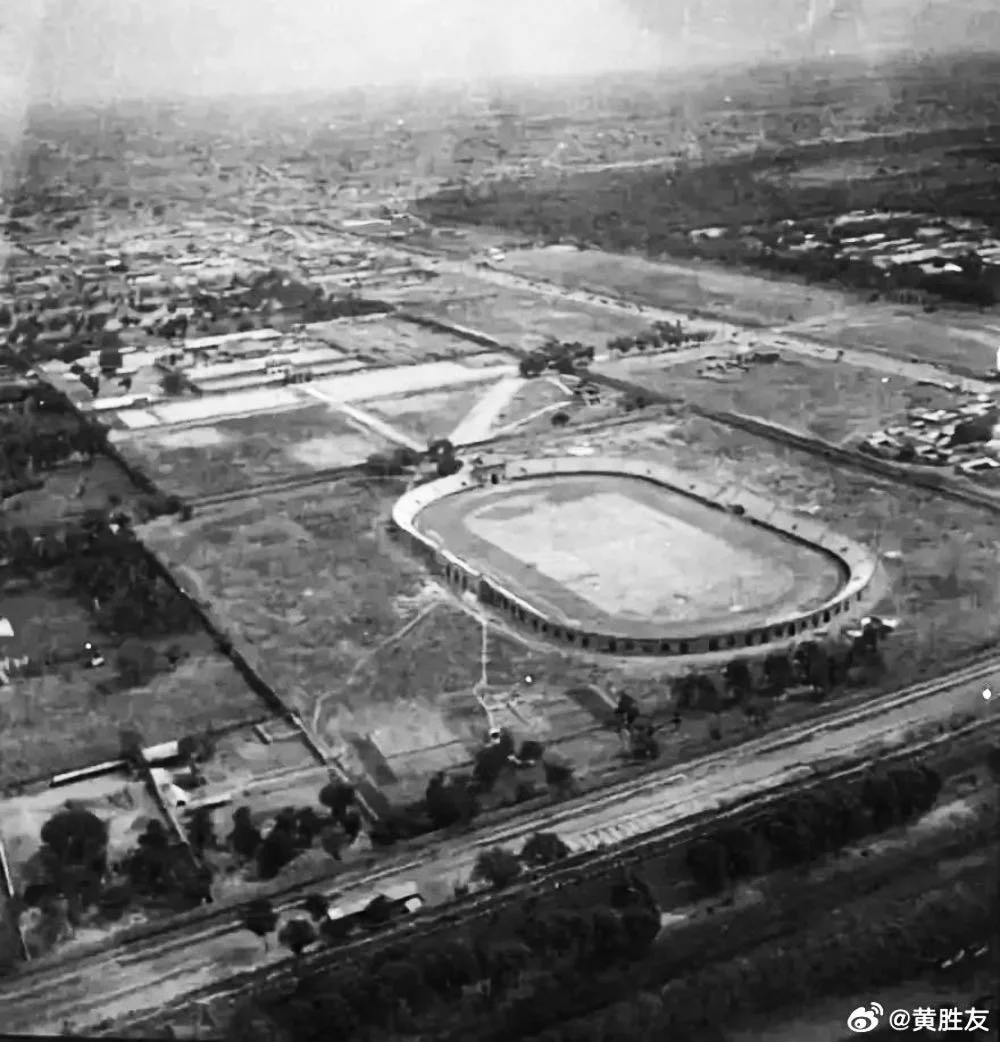
China's historic Xiannongtan Stadium. Construction began in 1936.
Photo Credit: Xinwen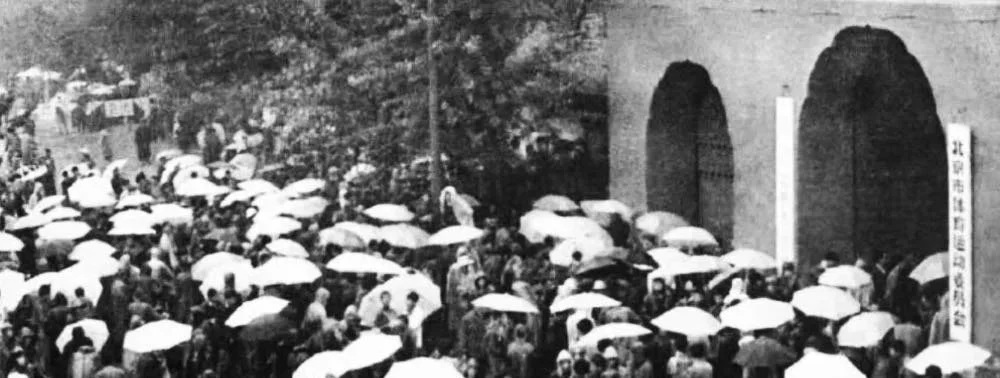
Football has always been popular in China. Historically, thousands of people would flock to matches.
Photo Credit: Xinwen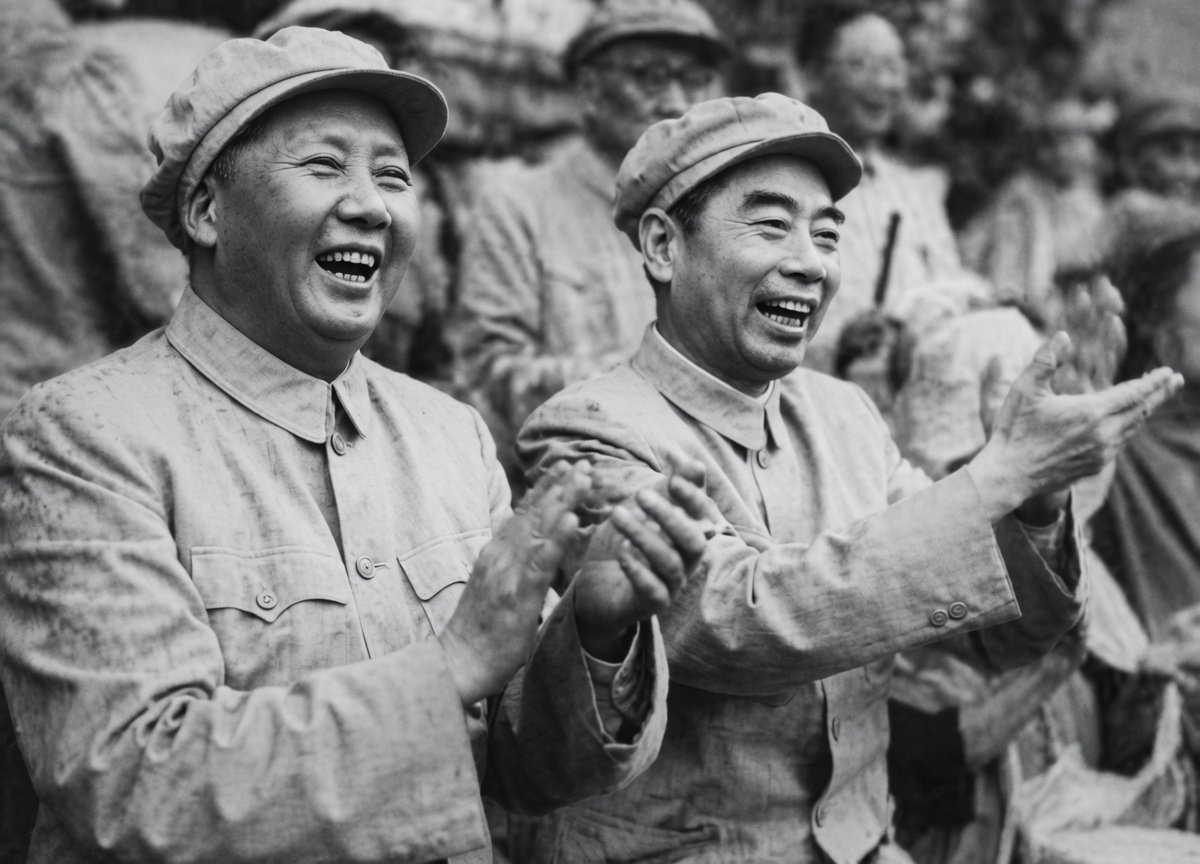
Mao Zedong was a huge football fan, and played as a goalkeeper as a youth.
Photo Credit: Alamy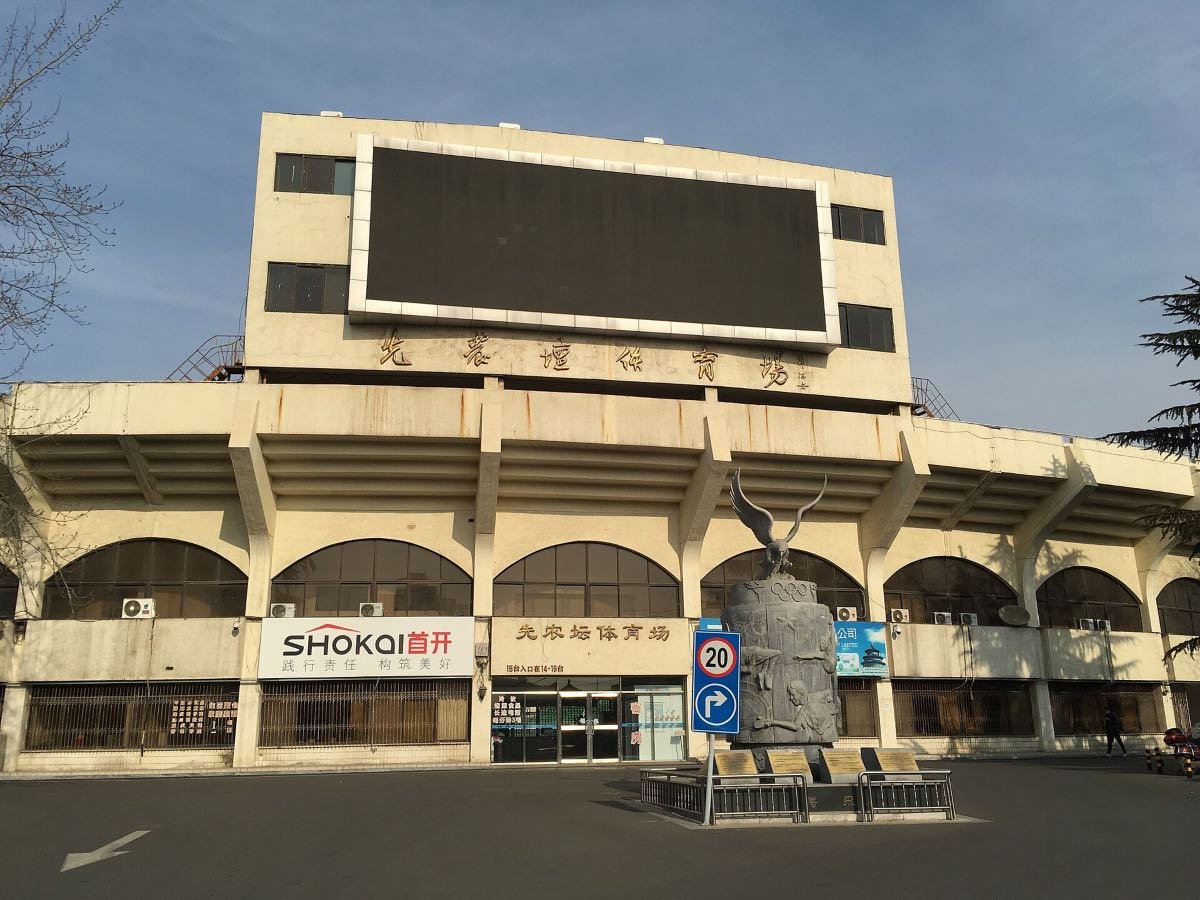
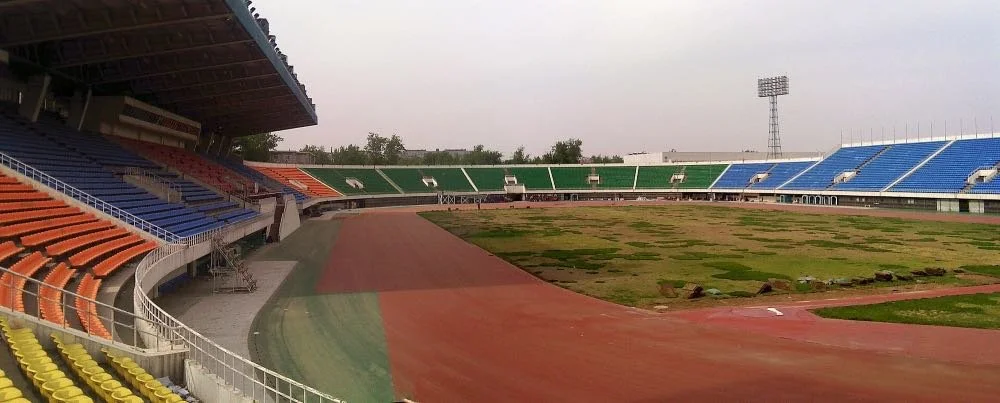
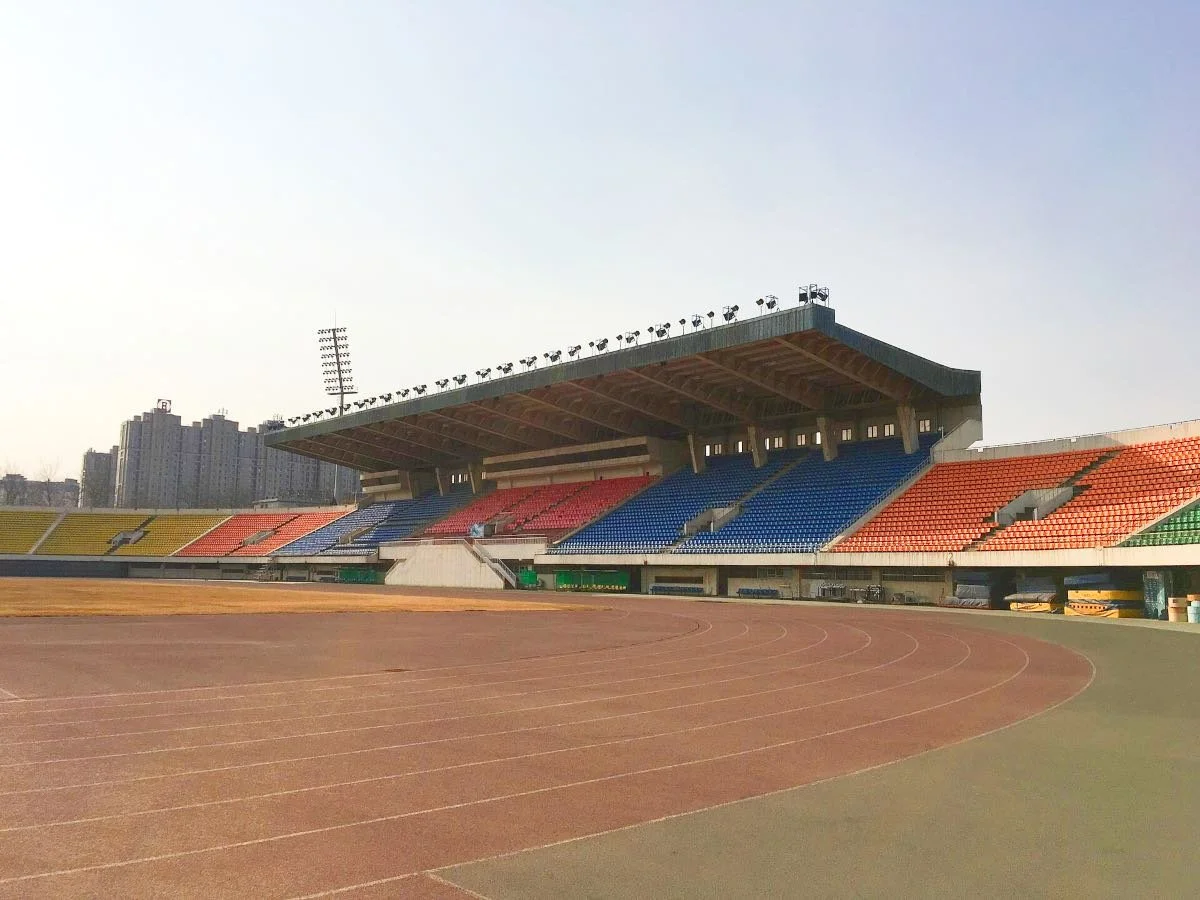
The exterior and interior of the Xiannongtan Stadium today.
Photo Credit: Wikimedia Commons