

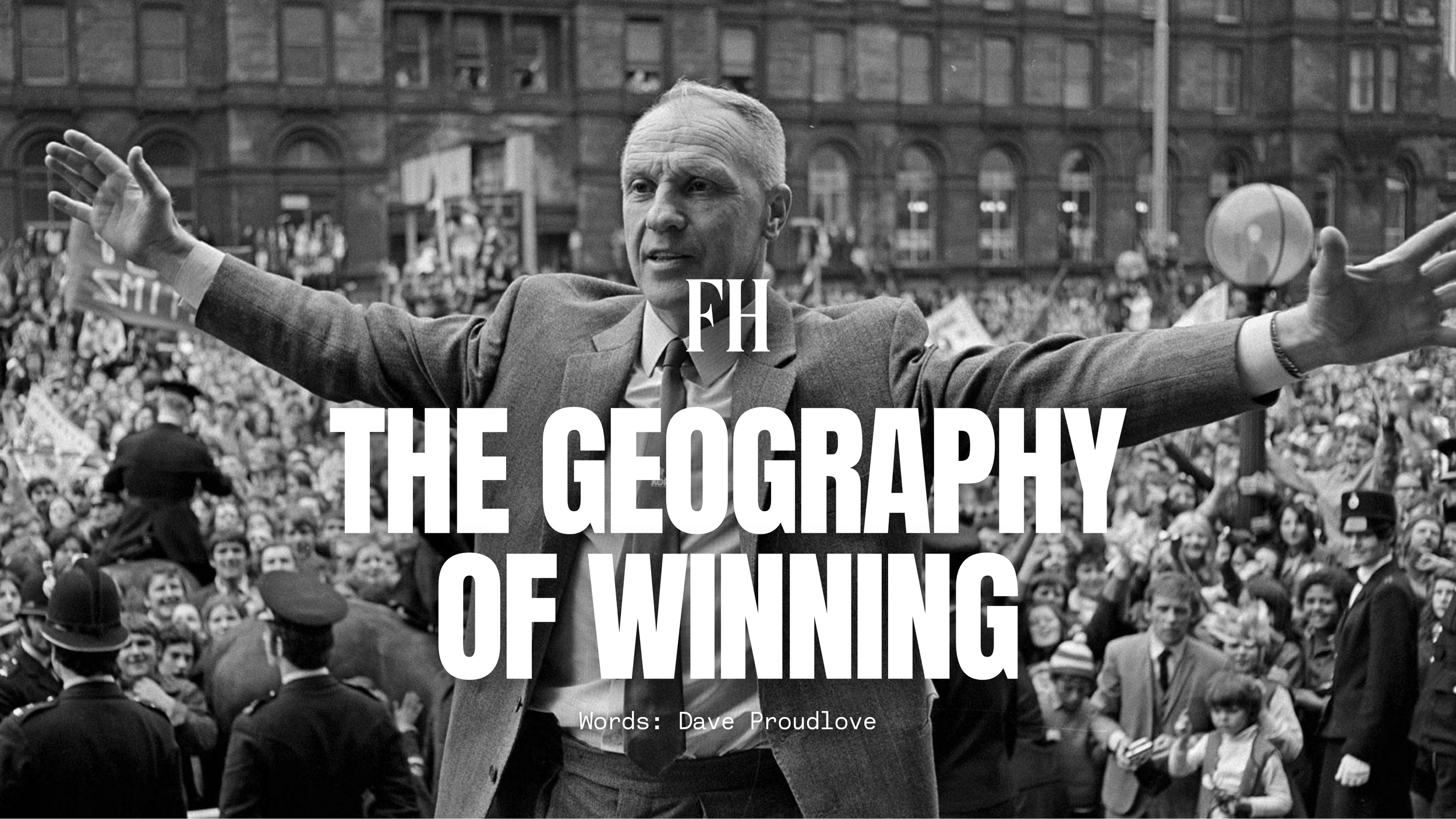
Words by Dave Proudlove | Published 02.10.2026When Pep Guardiola announced he would be leaving Manchester City, his farewell video did not focus so much on the trophies, tactical innovations or statistics.
Instead, it lingered on rain-slicked streets, corner shops, the faces in the stands, and the city itself. Guardiola spoke not like a departing executive but like someone leaving home.
“This city means everything to me,” he said. “The people, the culture, the way we lived football together.” He described Manchester as having “got under my skin,” adding that “it has been so fucking fun.”
The sentiment revealed something essential about English football management.
The greatest managers are rarely just elite tacticians or trophy hoarders. The best managers understand and are interpreters of place. They get that football clubs are not abstract sporting institutions but emotional expressions of geography, class, history and local identity.
Clubs belong to streets, accents, industries and shared memories before they belong to owners or accountants with balance sheets.
The managers who endure in English football are those who understand this instinctively. They grasp that success requires more than imposing ideas from above. It requires translating the character of a place into a footballing identity.
The best managers do not merely coach teams; they also become custodians of place, local passion, and culture.
This is why so many of England’s most beloved football managers are remembered not only for what they won, but for how naturally they seemed to belong where they were.
Herbert Chapman modernised Arsenal by understanding north London’s ambitions and the club’s status. Arsène Wenger transformed the same club by recognising how the city around it was evolving as a world city and that Arsenal needed to reflect that.
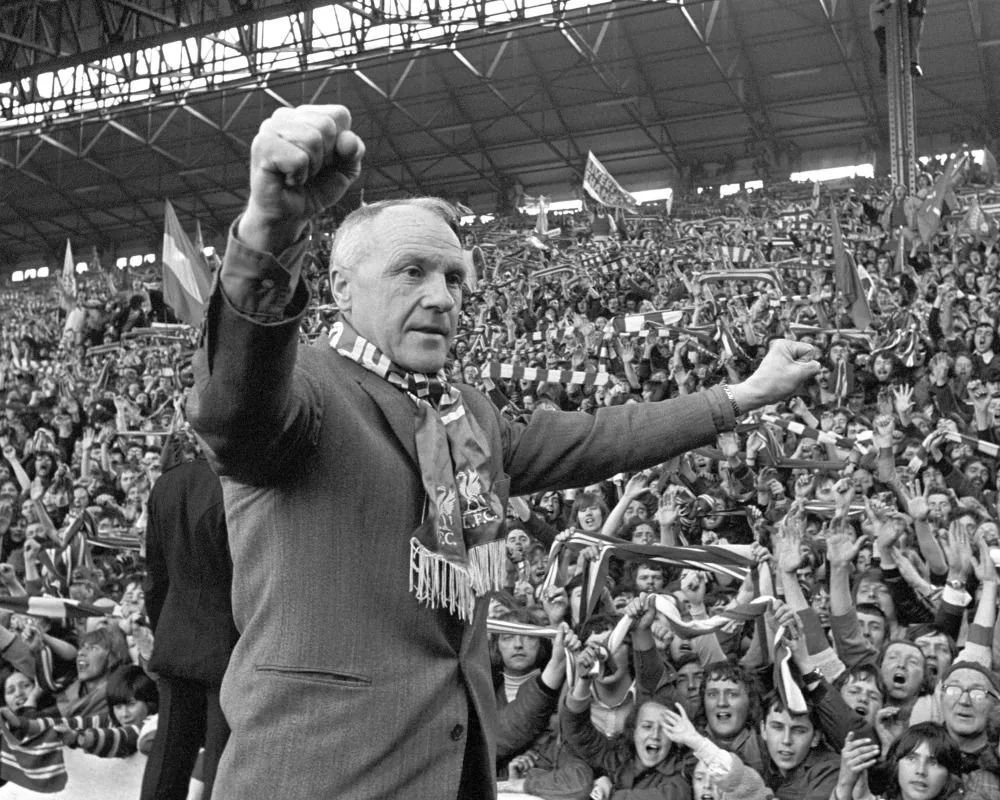
Bill Shankly understood Liverpool’s socialist civic culture before he built a dynasty there. Jürgen Klopp succeeded because he grasped the emotional rhythm of the city and its roots in Shankly’s philosophy almost immediately.
Brian Clough turned Nottingham Forest into European champions because he understood the psychology of a provincial city that believed London and other bigger cities looked down on it.
Alex Ferguson mastered Manchester United because he understood that the club’s belief in being the best was rooted in Manchester’s ambitions and cocksure character.
Even managers who won relatively little are adored because they embodied local identity. Kevin Keegan at Newcastle United, David Moyes at Everton and Tony Pulis at Stoke City succeeded because supporters recognised themselves and their city in the football they produced.
English football has always been intensely geographical. Clubs emerged from shipyards, churches, factories and railway depots. Rivalries are rooted in economics as much as sport.
To manage successfully in England is therefore to understand local context: how supporters see themselves, how they wish to be seen, and what they demand emotionally from football.
The geography of winning is not simply tactical. It is cultural.
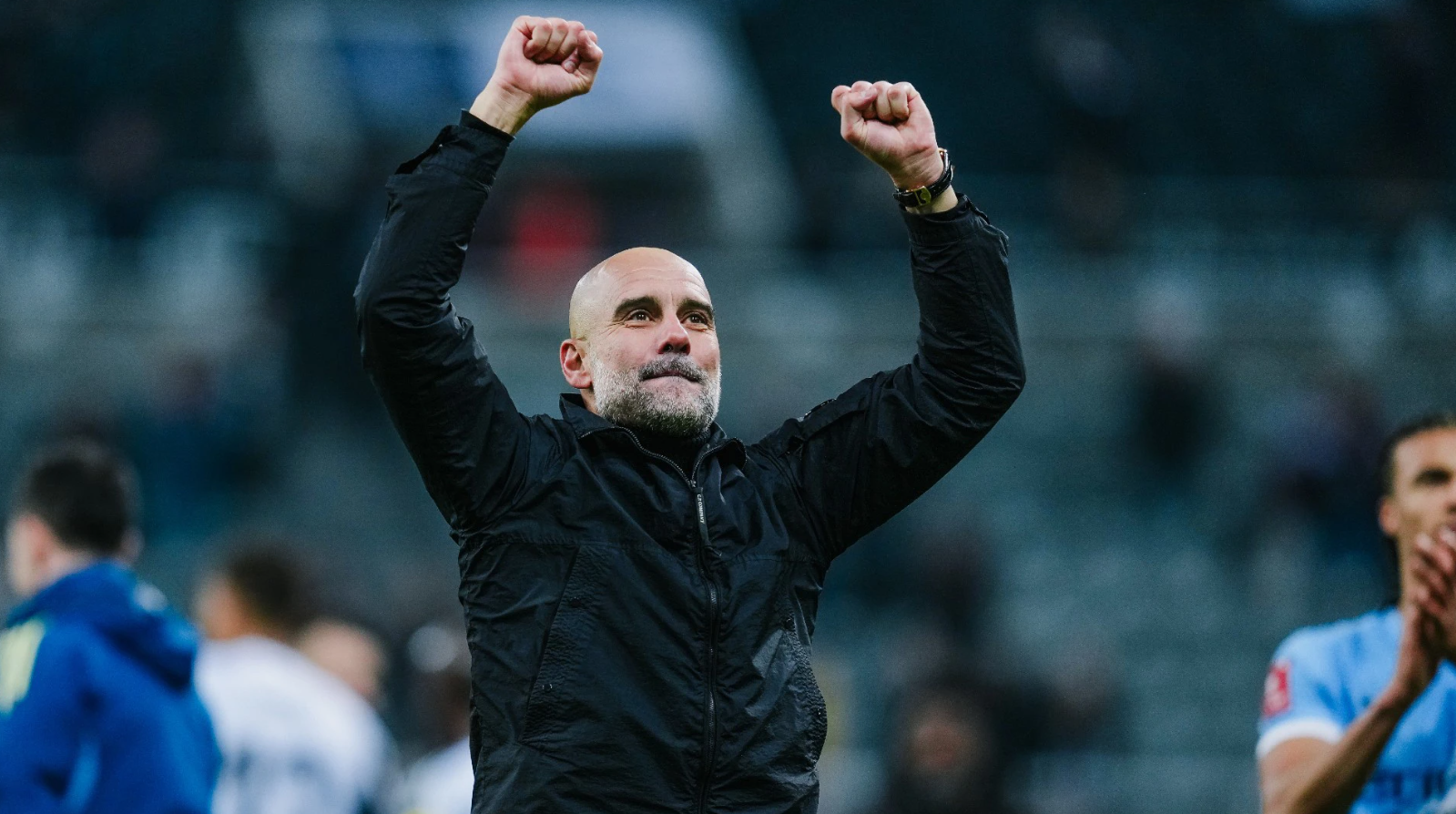
“This city means everything to me” – Pep Guardiola
Photo Credit: Manchester City
Few clubs reveal the importance of place more clearly than Arsenal. Twice in their history, Arsenal were transformed by managers who understood that the club represented a particular vision of London modernity.
When Herbert Chapman arrived in 1925, Arsenal were not yet one of England’s dominant clubs.
Chapman recognised the changing shape of north London. Highbury sat within an expanding suburban middle class, connected increasingly by underground railways and urban growth. Although it had a working class core, Arsenal’s support reflected aspiration and modernity. Chapman understood that the club should embody efficiency, sophistication and innovation.
He revolutionised football administration, introducing numbered shirts, new physiotherapy practices and tactical systems years ahead of rivals. But crucially, these innovations aligned with Arsenal’s identity.
Chapman did not modernise against the grain of the club; he modernised with it. Arsenal under Chapman became associated with order, professionalism and metropolitan confidence. They felt like London’s future.
Chapman also grasped the symbolic importance of visibility within the city. He lobbied successfully for the nearby Underground station to be renamed Arsenal, ensuring that the club became geographically embedded within London itself.
And he led Highbury’s physical transformation, and its fresh, Art Deco themed rebuild. Few managerial acts reveal such awareness of place. Chapman understood that football clubs derive power from becoming inseparable from their surroundings.
Decades later, Arsène Wenger inherited a different Arsenal but perceived a similar opportunity. London in the 1990s was becoming globalised, cosmopolitan and wealthy. Wenger recognised that Arsenal could become the football expression of that transformation and needed to, as they lagged rivals such as Manchester United from a financial perspective.
At first he seemed alien to English football culture: cerebral, multilingual and obsessed with diet, conditioning and technical precision.
Yet Wenger succeeded because he understood London better than many English managers did. Arsenal’s support increasingly reflected an international city comfortable with sophistication and reinvention.
And Wenger’s football mirrored this identity. Fast passing, technical fluency and multicultural squads suited both Arsenal and the evolving capital around them, yet still retaining an English edge. “I wanted people to be happy when they watched us play,” Wenger once said, “to feel joy.”
The club’s move to the Emirates Stadium was heavily influenced by Wenger, and further reflected his understanding of place. While many supporters mourned Highbury, Wenger recognised Arsenal needed infrastructure matching London’s economic future, and the fast changing landscape of modern football. Like Chapman before him, he interpreted the club and a vision for its future through urban change.
The emotional connection supporters retain with Wenger stems not only from the trophies, but from recognition. Arsenal fans saw their city and communities in Wenger’s football: elegant, international, ambitious and occasionally detached from tradition.
Great Arsenal managers succeed because they understand that Arsenal is not merely a football club, but that it is an idea of London, and their place in it.
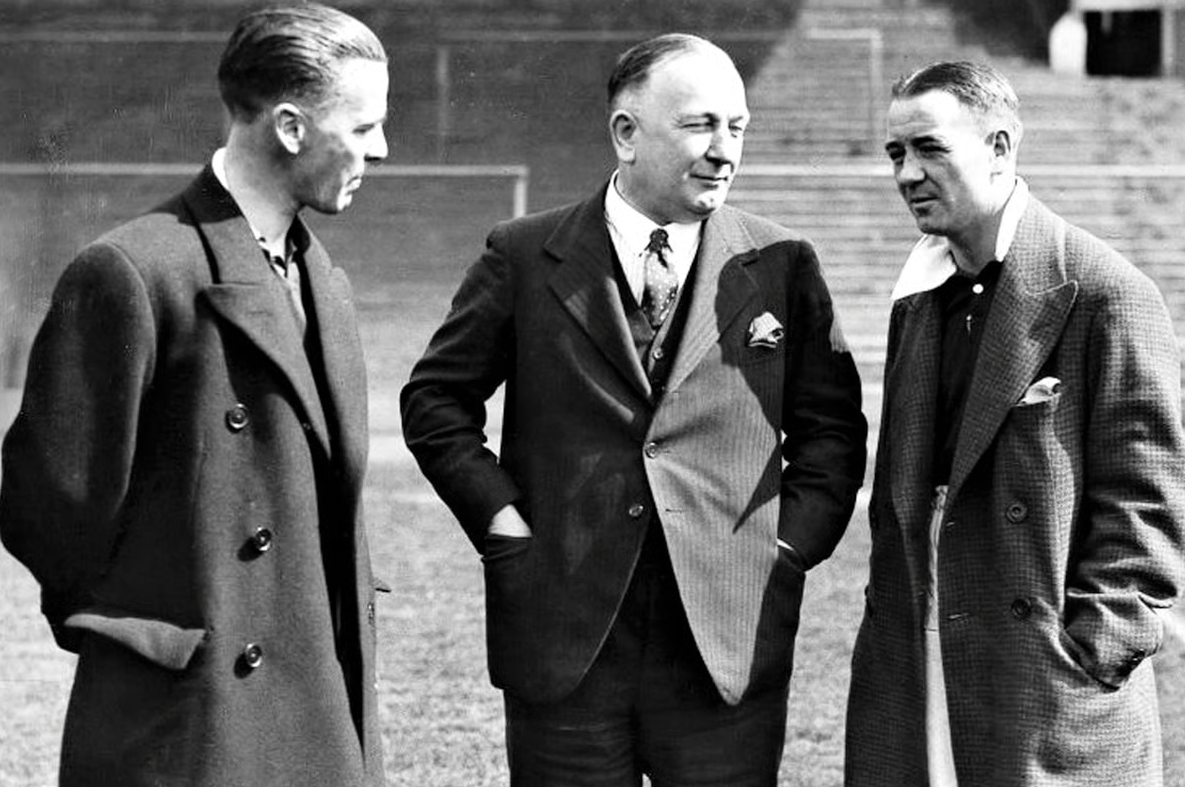
Herbert Champan (centre), the man who revolutionised Arsenal.
Photo Credit: Evening Standard
If Arsenal reflects metropolitan aspiration, Liverpool represents civic solidarity. No club in England is more inseparable from local identity. Bill Shankly understood this immediately.
Arriving in 1959, he encountered a declining club in a city battered by economic uncertainty but fiercely proud of itself. Liverpool’s culture was rooted in dockland collectivism, trade unionism and humour sharpened by hardship.
Shankly did not merely tolerate this culture; he embraced it and embodied it. “Socialism,” he famously said, “is everybody working for each other.” His football philosophy reflected precisely that ethic. Collective labour mattered more than individual stardom.
Liverpool supporters recognised this authenticity instantly. Shankly spoke like them, joked like them and valued what they valued. He understood football as communal identity rather than entertainment product.
Most importantly, he made Liverpool supporters feel central to the club’s existence. “The people who come through the turnstiles,” Shankly said, “are the most important people.”
This was not public relations language. It reflected his understanding of Liverpool itself: distrustful of hierarchy, emotionally direct and deeply communal.
The famous Anfield atmosphere emerged partly because Shankly nurtured the relationship between club and city. Liverpool became an extension of local pride at a time when the city often felt neglected nationally. And more than half a century later, Jürgen Klopp succeeded for similar reasons.
Tactically, Klopp was elite. But many elite coaches fail in England because they misunderstand emotional environment. Klopp did not. From his first press conference, he framed himself relationally. “I am the normal one,” he joked, immediately puncturing managerial distance and tapping into the club’s recent rivalry with Chelsea during the José Mourinho era.
Liverpool supporters embraced him because he seemed emotionally fluent in the city’s language: humour, warmth, defiance and collective belief.
Klopp often described Liverpool as feeling similar to his upbringing in Germany’s industrial west. He recognised the city’s emotional rhythm. “This is a special place,” he said repeatedly, “people here carry football in their hearts.”
And his football mirrored Liverpool’s self-image: intense, emotional, resilient and noisy. Gegenpressing became not just tactical structure but civic expression. The crowd participated in games emotionally because Klopp’s football invited collective energy.
Klopp’s handling of tragedies and commemorations also mattered profoundly. Klopp treated the club’s history – especially Hillsborough – with visible seriousness and humility. Supporters sensed he understood Liverpool’s relationship with memory and injustice.
When Liverpool finally won the title in 2020 after a 30 year gap, it felt less like a modern corporate sporting achievement than communal catharsis. Klopp succeeded because he became culturally legible to Liverpool. The great Liverpool managers understand that the club cannot be separated from the city’s emotional politics.
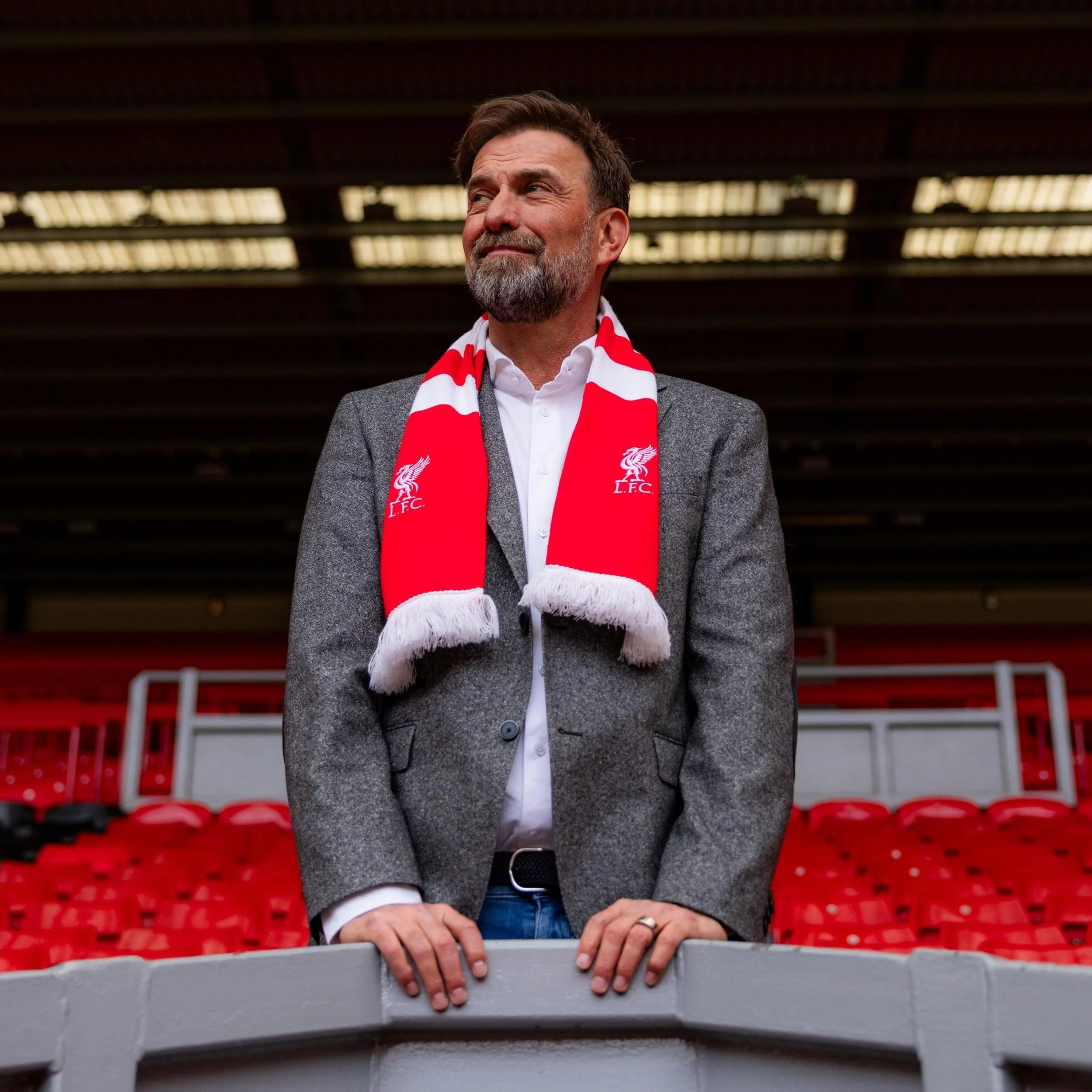
Shankly and Klopp's success was helped by the fact that they understood the identity of Liverpool as a football club and a place.
Photo Credit: BBC News
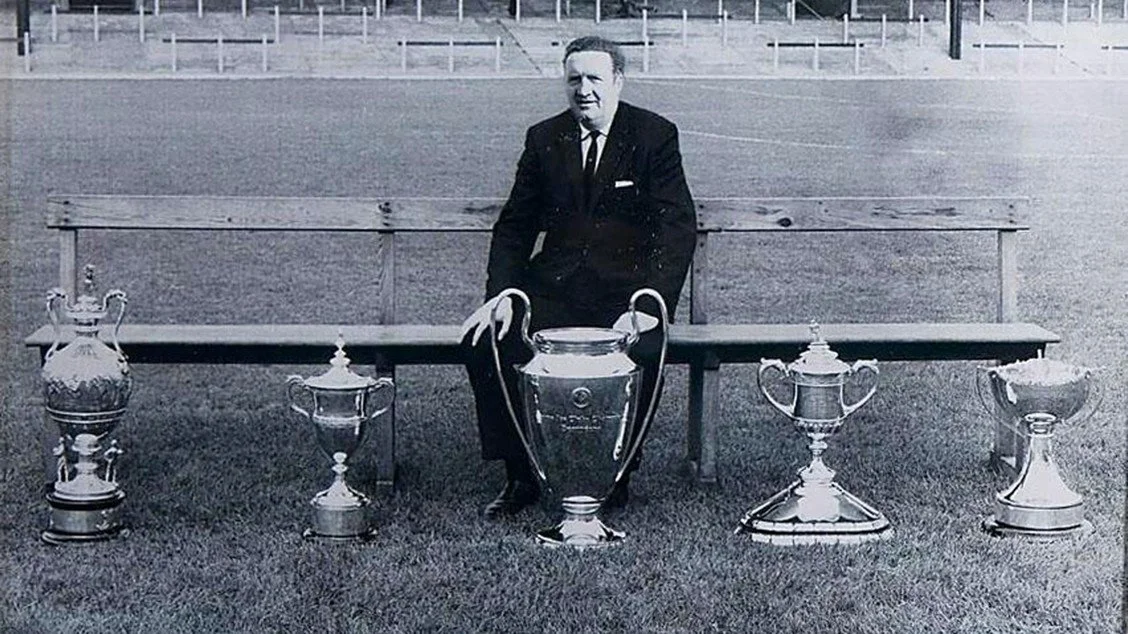
Though not an English club, Celtic under Jock Stein offers one of the clearest examples in British football history of place shaping greatness. Stein understood Celtic not simply as a football institution but as a social and cultural expression of Glasgow’s Irish Catholic working class.
Celtic represented migration, marginalisation and shared identity.
What made Stein extraordinary was that he modernised Celtic without diluting its roots.
The Lisbon Lions who won the European Cup in 1967 were famously all born within a short distance of Parkhead. Stein understood the symbolic importance of localness and the bonds it creates, and so his teams played adventurous, attacking football because Stein believed Celtic supporters demanded emotional generosity.
“Football without fans is nothing,” he often insisted.
Stein grasped something many modern owners forget: supporters do not merely want victory.
They want recognition. They want to see themselves reflected in style, spirit and values. Celtic under Stein felt unmistakably Glaswegian: fearless, communal and emotionally expressive. Place was not incidental to success; it was the source of it.
While English football has tended to be dominated by bigger cities, there have been occasional disruptions, and no manager better understood provincial psychology than Brian Clough while at Nottingham Forest.
Nottingham in the late 1970s was neither glamorous nor fashionable. England and English football remained dominated economically and psychologically by major cities. Building on what he’d achieved at Derby County a few years earlier, Clough recognised that provincial inferiority complexes could become competitive fuel.
He gave Nottingham Forest swagger. “We had a good side,” Clough said. “We just needed reminding.”
Clough’s genius lay partly in making players and supporters feel superior to supposedly grander institutions. Forest’s title triumph and European Cup victories were not merely sporting upsets; they were assertions that smaller places mattered.
Importantly, Clough’s charisma matched Nottingham’s character. The city prized wit, self-confidence and understated independence. Clough’s humour and arrogance resonated culturally.
And his football was also shaped by local conditions. Forest played quickly and directly but with technical intelligence.
Clough understood that supporters wanted confidence without pretension, and the club’s rise under him created emotional unity across the city.
Forest became a source of civic pride and identity during economic decline. Again, football management succeeded because it translated local psychology into sporting culture.
“Football without fans is nothing” – Jock Stein.
Photo Credit: Celtic FC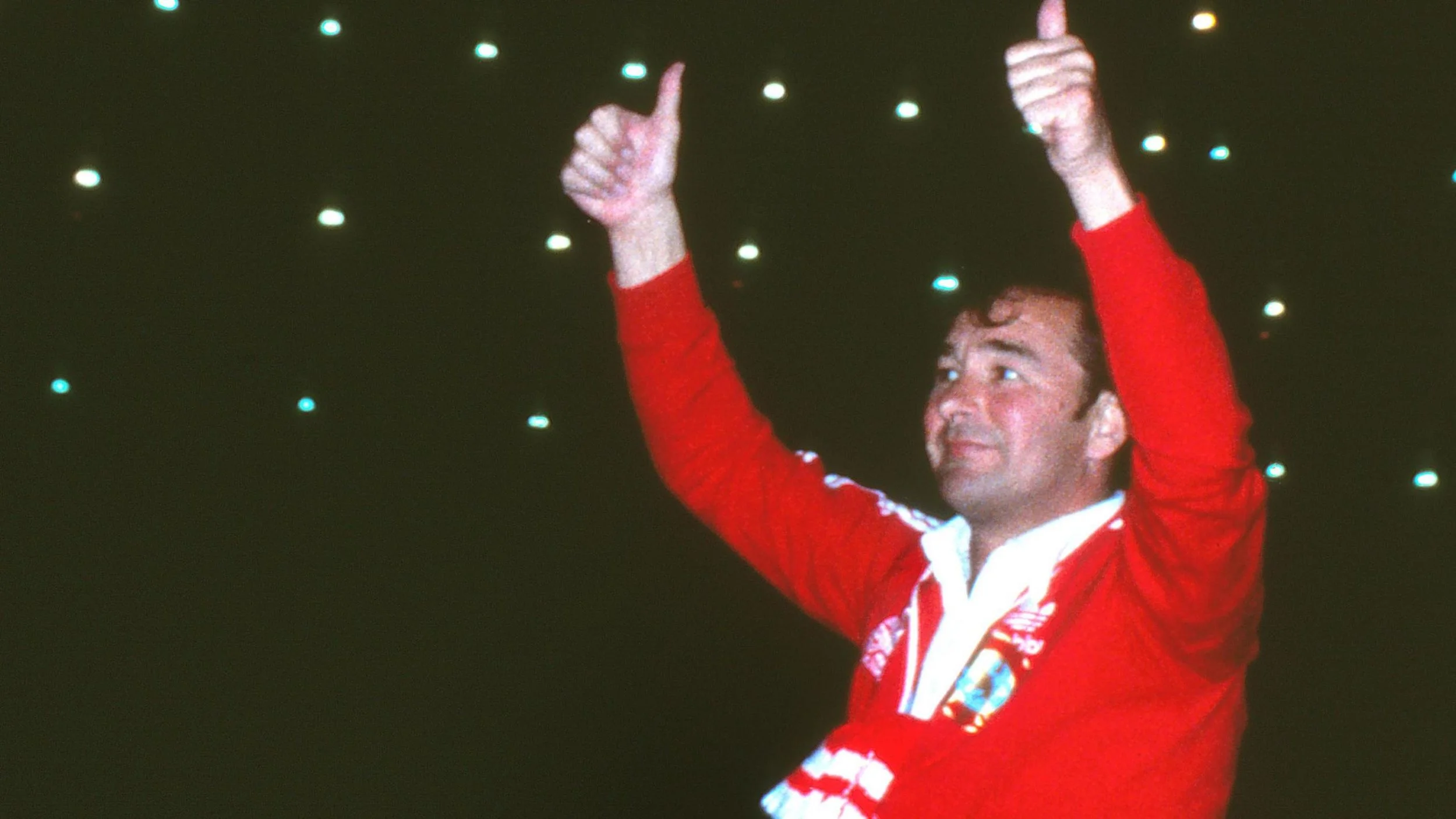
Brian Clough was a revelation at Nottingham Forest.
Photo Credit: BBC News
Reviving Manchester United following their 1970s malaise proved to be a herculean task that saw off a number of managers. But in 1986, a confident young Scottish manager from Govan came south having broken the Old Firm dominance while with Aberdeen.
Alex Ferguson’s greatness at Manchester United is often reduced to longevity – he ruled Old Trafford for 27 years – and discipline. But Ferguson’s deepest strength was actually cultural understanding.
Manchester is a city shaped by industry, competition and reinvention, and possesses both enormous confidence and profound insecurity.
United supporters expect dominance because the club – and city – historically represented working class ambition on a global scale. Ferguson understood this immediately.
“At Manchester United,” he once said, “you are expected to win.”
Manchester United expect to be best. But Ferguson also recognised that supporters demanded more than trophies. United historically associated themselves with attacking football, swagger, youth development and emotional drama. And he preserved these traditions even while modernising ruthlessly.
The famous ‘Fergie Time’ mentality reflected Manchester psychology perfectly: refusal to accept defeat, relentless pressure, emotional intensity.
United under Ferguson always felt slightly impatient, slightly confrontational and deeply ambitious, much like the city itself. And his handling of local rivalries also mattered and was symbolic.
Ferguson understood that overcoming Liverpool (“my greatest challenge was knocking Liverpool right off their fucking perch. And you can print that”), or Manchester City (“sometimes you have a noisy neighbour”) carried emotional significance beyond league points. He understood the symbolic geography of English football.
Like Shankly and Klopp at Liverpool, Ferguson grasped the emotional importance of supporters. “The fans are the lifeblood of the club,” he insisted.
Perhaps most importantly, Ferguson recognised Manchester United’s scale. He knew the club represented both local identity and global aspiration simultaneously. Managing that tension became central to his success.
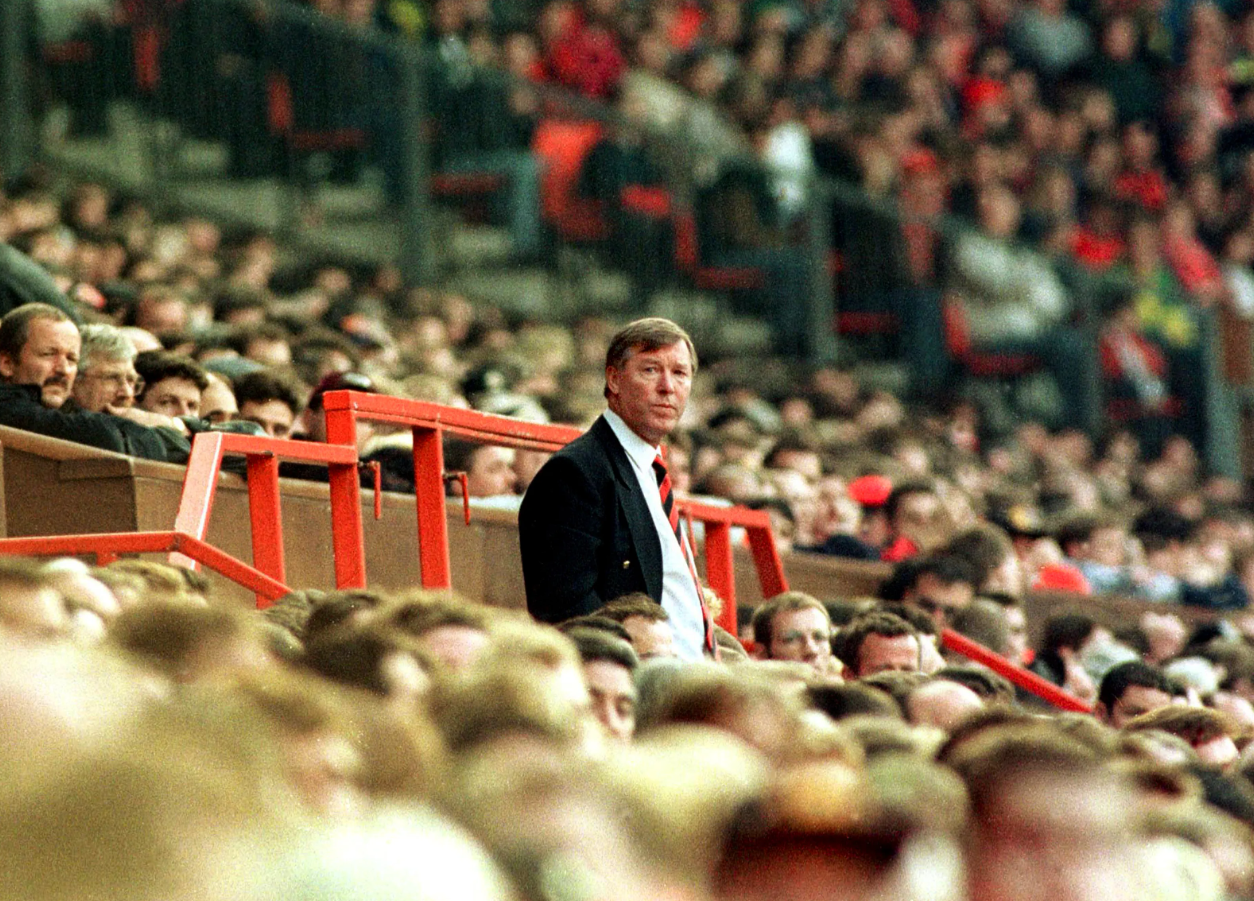
Sir Alex Ferguson led Manchester United into the modern era and transformed them into one of England's greatest clubs.
Photo Credit: These Football Times
English football culture doesn’t always measure success in terms of honours, and fans often remember certain managers affectionately despite limited silverware because supporters value emotional authenticity as much as medals.
Newcastle United is one the clearest example in modern times. Newcastle United is a club defined by regional identity more intensely than almost any other in England.
Newcastle supporters demand emotional commitment, ambition and entertainment because football functions as civic expression in the North East. Keegan understood this perfectly.
“I would love it if we beat them,” he famously exploded during their famous title run-in with Manchester United in 1996. The rant mattered because it revealed that his emotional investment was identical to that of supporters.
Keegan’s Newcastle played exhilarating football because he recognised what the city wanted: hope, drama and emotional release. Defensive pragmatism would have felt culturally alien. Though Newcastle failed to win a major trophy under him, supporters still revere Keegan because he made the city dream collectively. He understood Newcastle emotionally.
David Moyes at Everton has achieved something similar but through different means. Although Everton supporters love their School of Science football, they also value resilience, dignity and hard work. The club historically defines itself partly through endurance.
Moyes has always recognised this. Over the years, his Everton sides have been organised, disciplined and combative without descending into cynicism. He built teams supporters respected because they reflected local self-image: stubborn, undervalued and proud.
At a club operating with fewer resources than rivals, Moyes has cultivated collective identity. He has referred to Everton as the “people’s club”, observing that “people here appreciate honesty.”
He has always understood that Evertonians appreciate seriousness and commitment above gratuitous and superficial glamour.
Tony Pulis at Stoke City may seem an unlikely inclusion among great managers, yet his success in the Potteries demonstrates the importance of cultural fit more clearly than almost anyone.
Stoke-on-Trent’s football culture prizes toughness, directness and confrontation. Outsiders mocked Stoke’s style under Pulis, but supporters recognised themselves in it.
In recent times, physical football in harsh weather conditions became part of local mythology. Pulis did not impose aesthetic ideals imported from elsewhere. He embraced local identity fully.
Stoke became extraordinarily difficult to play against because the football aligned perfectly with supporter expectations and environmental conditions.
“Can they do it on a cold rainy night in Stoke?” became a joke precisely because Stoke possessed such strong geographical identity.
But Stoke City under Tony Pulis were about more than hard work and physicality. The Britannia Stadium was also home to innovation and artistry
For every Ryan Shawcross there was a Ricardo Fuller. The industry for which Stoke-on-Trent is most famous was built on hard work and art and Pulis got this, understanding that football culture is local before it is universal, and built a team in the image of the city.

Tony Pulis understood Stoke - and in turn, Stoke understood Tony Pulis.
Photo Credit: The Independent
Modern football increasingly appears detached from geography. Clubs possess global fanbases, multinational ownership and players from every continent. Tactical systems circulate internationally. Stadiums have become corporate spaces rather than the folk cathedrals of old. Managers speak in polished media language.
Yet place continues to matter profoundly in English football because supporters experience clubs locally and emotionally.
When managers fail, it is often because they misunderstand this reality. Tactical brilliance alone rarely compensates for cultural disconnection. Supporters quickly detect inauthenticity.
This explains why certain highly accomplished coaches struggle despite impressive résumés. They treat clubs as interchangeable institutions rather than living communities shaped by local history.
The best managers listen before they lead. They understand a club’s culture: the songs, rivalries, humour, history and grievances. They grasp why certain victories matter more than others. They recognise that every club possesses emotional rules invisible to outsiders.
Pep Guardiola succeeded at Manchester City not only because of his approach to the game, but because he understood Manchester City’s desire for recognition. City historically lived in United’s shadow. Guardiola’s football gave supporters not merely success, but identity and legitimacy.
His farewell video resonated because supporters sensed genuine emotional connection to place. Guardiola did not speak about branding opportunities or commercial growth. He spoke about Manchester itself.
This remains the defining trait of great football management in England: the ability to understand that clubs emerge from somewhere specific.
Football supporters do not simply ask managers to win. They also ask them to understand them and belong.
The history of English football management reveals a consistent truth. The greatest managers are cultural cartographers. They map emotional landscapes as carefully as tactical ones.
Herbert Chapman understood Arsenal’s standing and embraced the club’s modernity. Arsène Wenger recognised Arsenal’s heritage and married this with London’s cosmopolitan future. Bill Shankly embodied Liverpool’s collectivism, while Jürgen Klopp inherited and renewed the city’s emotional intensity.
Jock Stein channelled Glasgow identity into European glory. Brian Clough transformed provincial insecurity into swagger. Alex Ferguson weaponised Manchester’s ambition. Kevin Keegan gave Newcastle hope. David Moyes reflected Evertonian resilience.
And Tony Pulis turned Stoke’s DNA of hardness and artistry into competitive advantage.
Their success differed enormously in scale. Some won European Cups; others merely stabilised clubs. But all understood that football management is fundamentally relational.
The best managers recognise that clubs are repositories of local memory and identity. Stadiums are emotional territories, and supporters want to feel understood as much as entertained.
Place shapes expectation, style and meaning in English football. The clubs with the strongest identities are often those whose managers most clearly articulate local character. This is why the greatest football managers rarely feel temporary.
They become woven into civic history. Shankly belongs to Liverpool. Ferguson belongs to Manchester United. Wenger belongs to Arsenal. Keegan belongs to Newcastle. And vice versa.
And perhaps that is the clearest measure of football greatness: not whether a manager merely won matches, but whether they made a club feel more fully itself.
The geography of winning is not found on tactical whiteboards alone. It is written in streets, accents, memories and collective belonging.