

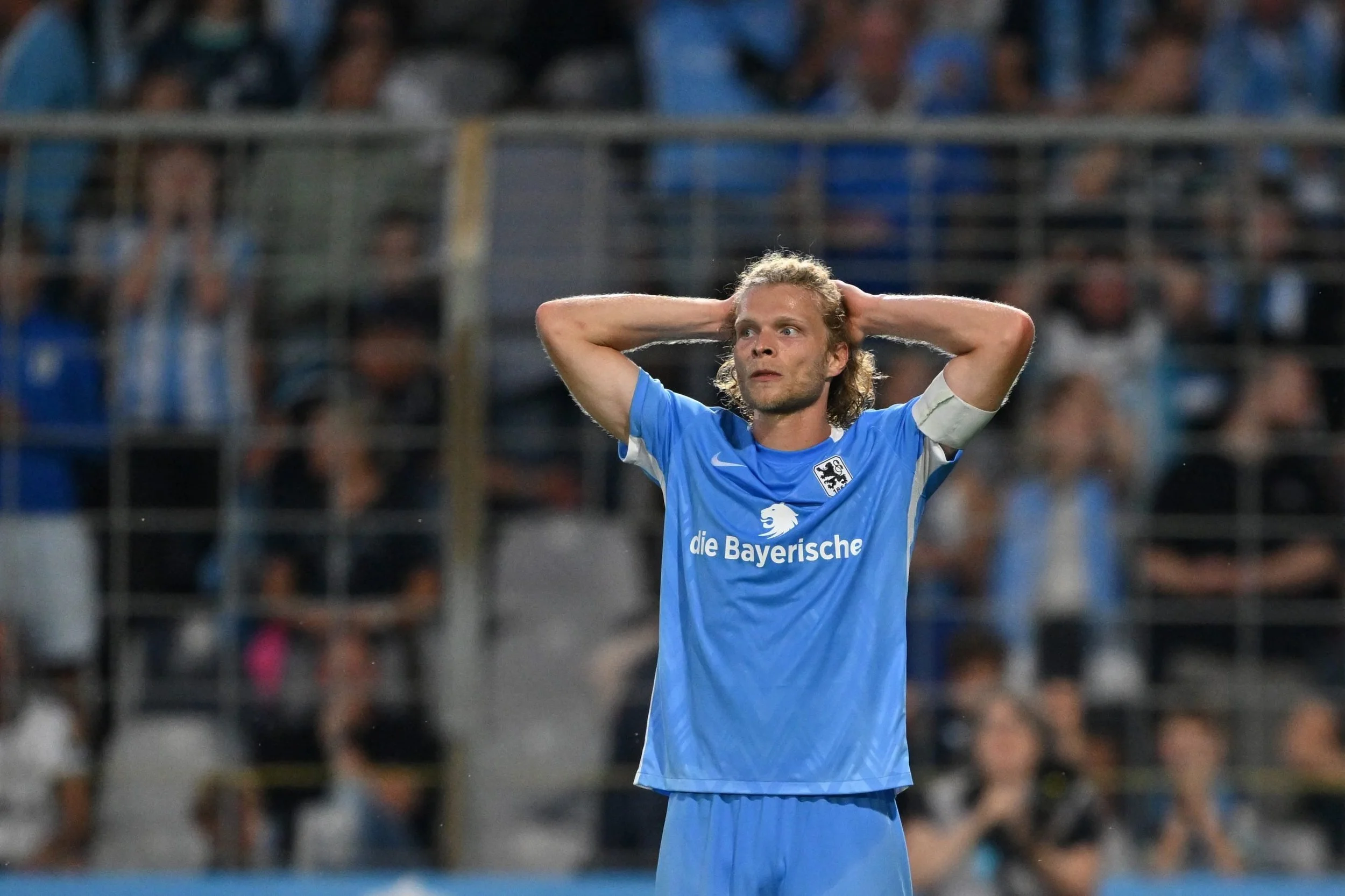
Words by Tom Schmitter | Published 06.11.20261860 Munich are facing forced relegation.
On paper, it is a story about finances, licences and administrative consequences - another football headline in an age increasingly dominated by balance sheets, regulations and boardroom decisions.
For supporters, however, it is something far more personal. It feels like losing a piece of home.
People who do not follow football often struggle to understand why the fortunes of a club can have such a profound emotional impact. The answer is simple: a football club is never just a football club.
It becomes part of who you are. It accompanies you through life. You do not usually choose your club because of success. You grow up with it. You travel to matches, celebrate victories, endure defeats and spend countless hours discussing it with friends, family and strangers alike.
Eventually, the club becomes woven into your own story.
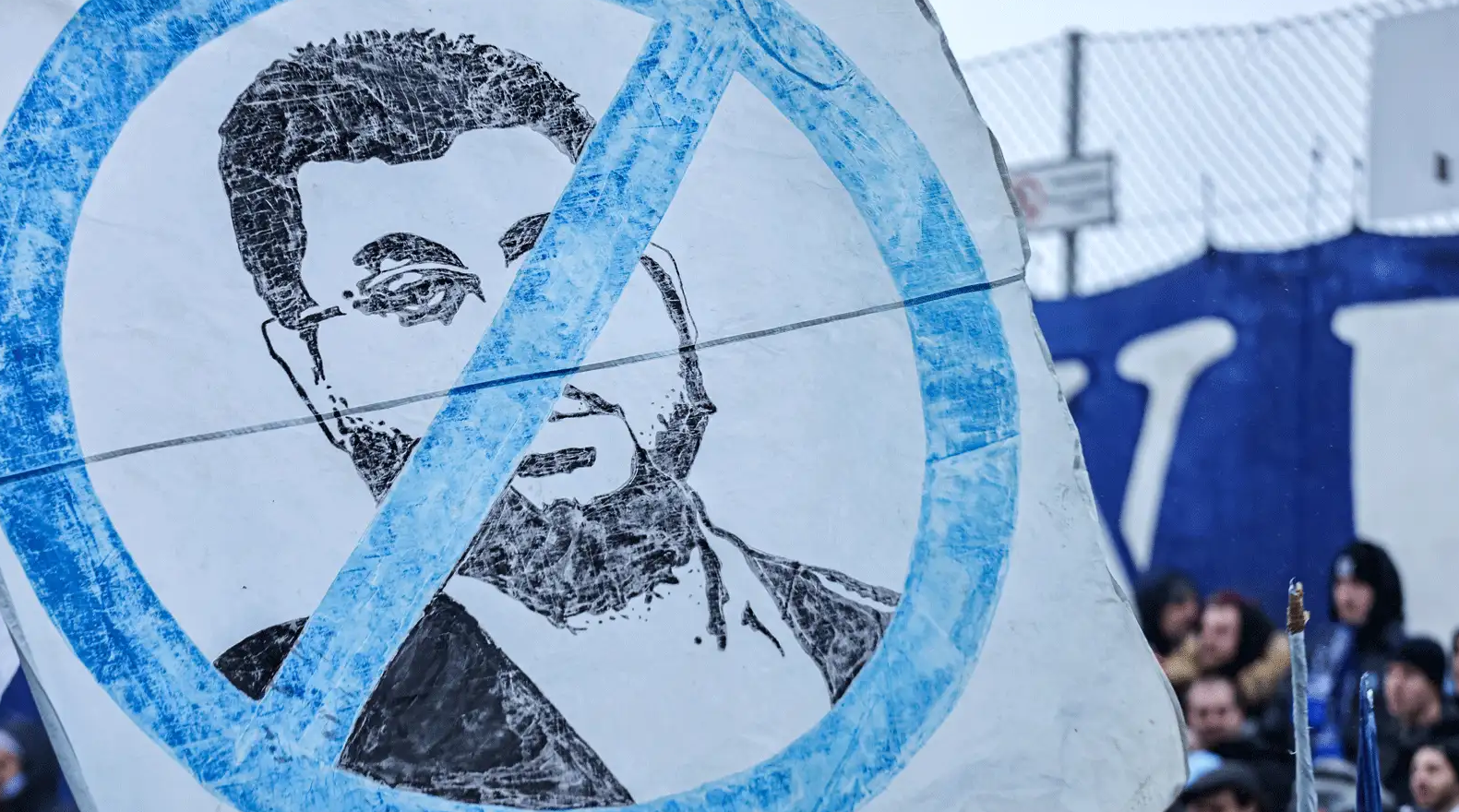
Amid fan protest against primary investor Hasan Ismaik, 1860 were relegated to Germany's fourth tier in June 2026.
Photo Credit: Goal
That connection has always felt particularly strong at 1860 Munich.
The Lions represent tradition, resilience and a fan culture that has already endured more setbacks than most.
Yet hope always remained. Hope that things would improve. Hope that better days would come. Hope that loyalty would one day be rewarded.
A forced relegation shatters that hope in a uniquely cruel way.
The pain is not the same as losing a match. Defeat on the pitch is part of football. Sometimes your team is not good enough.
Sometimes the opponent deserves to win. Supporters can accept that, however painful it may be.
This is different.
The players can fight. The fans can sing. The team can give everything it has. And still, the fate of the club is decided somewhere beyond the touchline.
That sense of helplessness is what makes the pain so difficult to process.
As a supporter, you feel sadness, but also anger. Not because football has become unfair—that has always been true to some extent—but because those who suffer most are often the people who had the least influence over the outcome.
Supporters invest more than money. They invest emotion. They stand in the rain, travel hundreds of miles, organise their lives around kick-off times and remain loyal when success is nowhere to be found.
When a forced relegation arrives, it can feel as though that loyalty itself has been punished.
Yet moments like these also reveal the true meaning of football culture.
Success attracts followers. Crisis reveals believers.
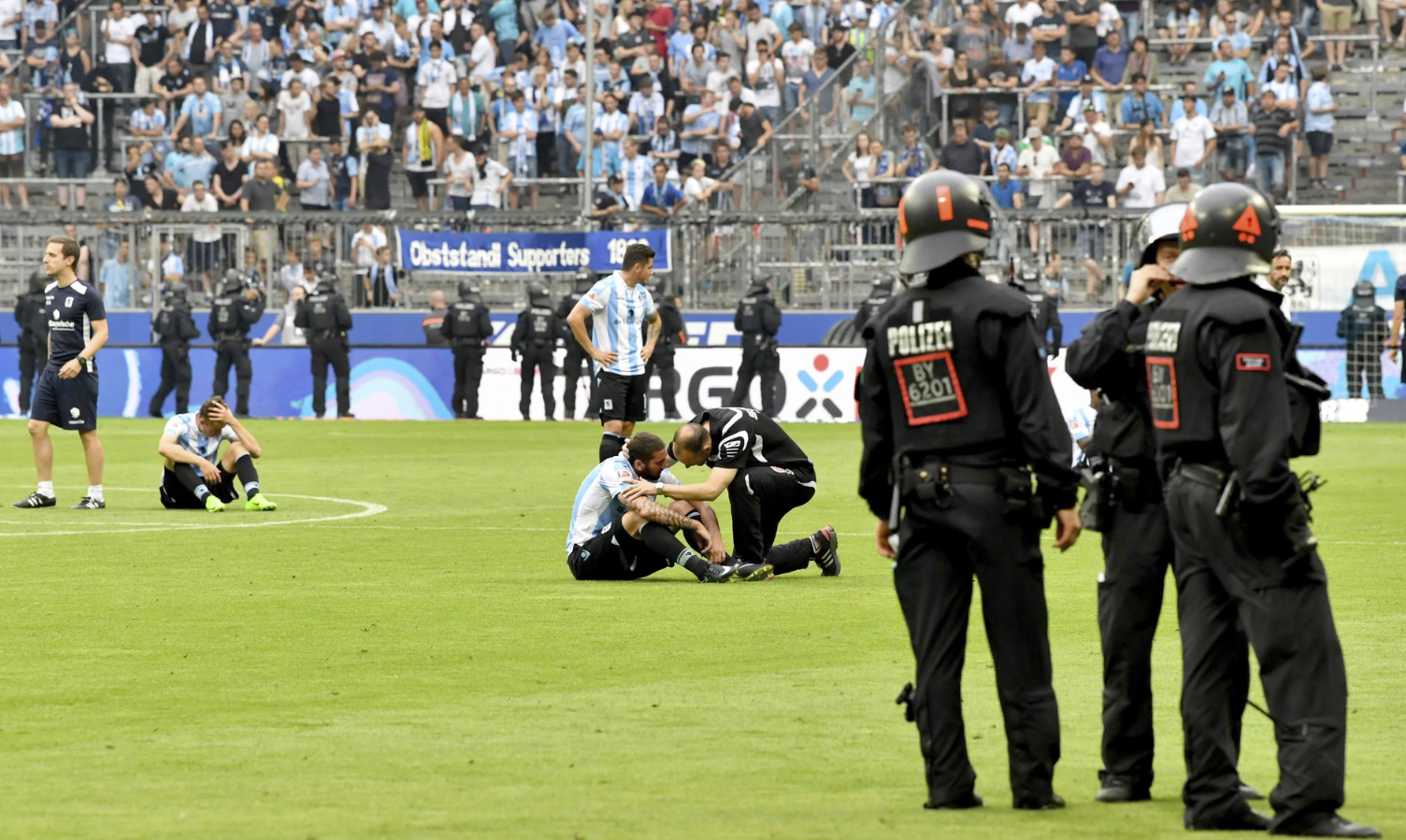
1860 Munich and their supporters found themselves in a similar situation almost a decade ago.
Photo Credit: The Guardian
When league positions become meaningless and the future feels uncertain, what remains is the community.
The conversations outside the stadium. The stories handed down through generations. The shared memories. The feeling of belonging to something greater than yourself.
Perhaps that is where the true strength of 1860 Munich lies.
The club’s history has never been a straightforward tale of success. It has been shaped by glorious highs and absurd lows.
Forced relegation would be another dark chapter in that story. Painful, certainly. But not the final chapter.
Because real football is not built solely on trophies and promotions. It is built on loyalty. On staying when others leave. On believing that even after the hardest fall, there is still a way back.
For a supporter of 1860 Munich, forced relegation is therefore not merely a sporting event. It is an emotional rupture. A disappointment that will linger for years.
But it is also a moment that reminds us what devotion to a football club truly means.
I deliberately want to use this article to immerse myself in my football-cultural emotional world and not give the culprit, that reckless H. Ismaik, any platform whatsoever.
That is also why I will not go into the peculiar circumstances and structures surrounding his work.
I will leave that to the so-called experts who have accepted the football world as a fully commercialized one. Let them debate ownership models, governance failures and the commercial realities of modern football.
I cannot.
I belong to those who fell in love with the 1860 crest. With the charm of Grünwalder Stadion. With the belief that football can still be something authentic in a world increasingly determined to turn it into a product.
Those are the things that make me smile.
But those stories can wait for another day.
For now, it is time to be sad.
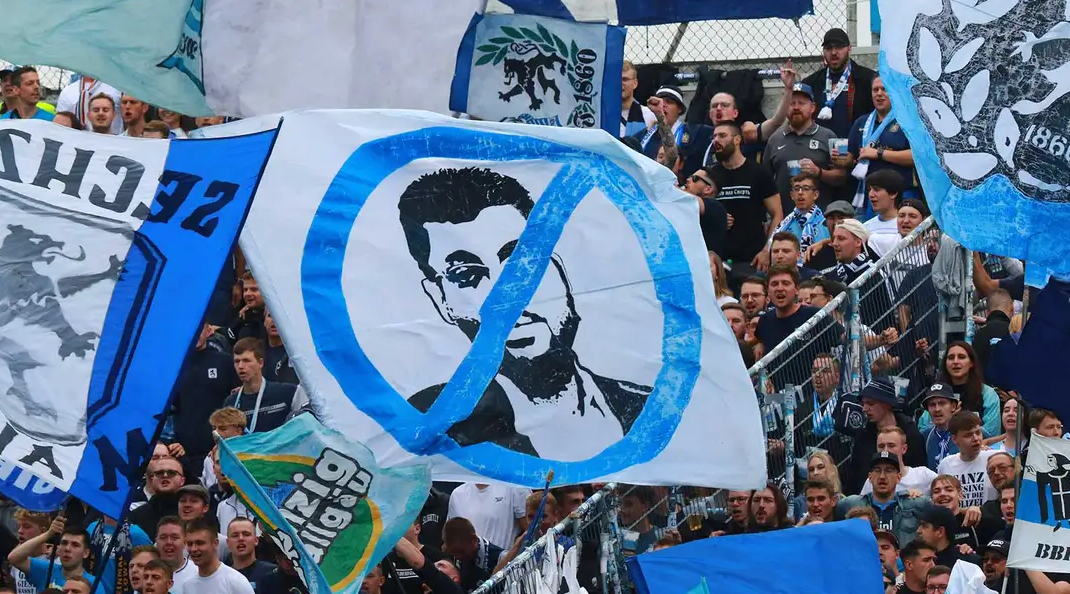
While Ismaik's role at 1860 has been terminated, he is digging his heels in. You feel that his days at the club are numbered.
Photo Credit: Goal