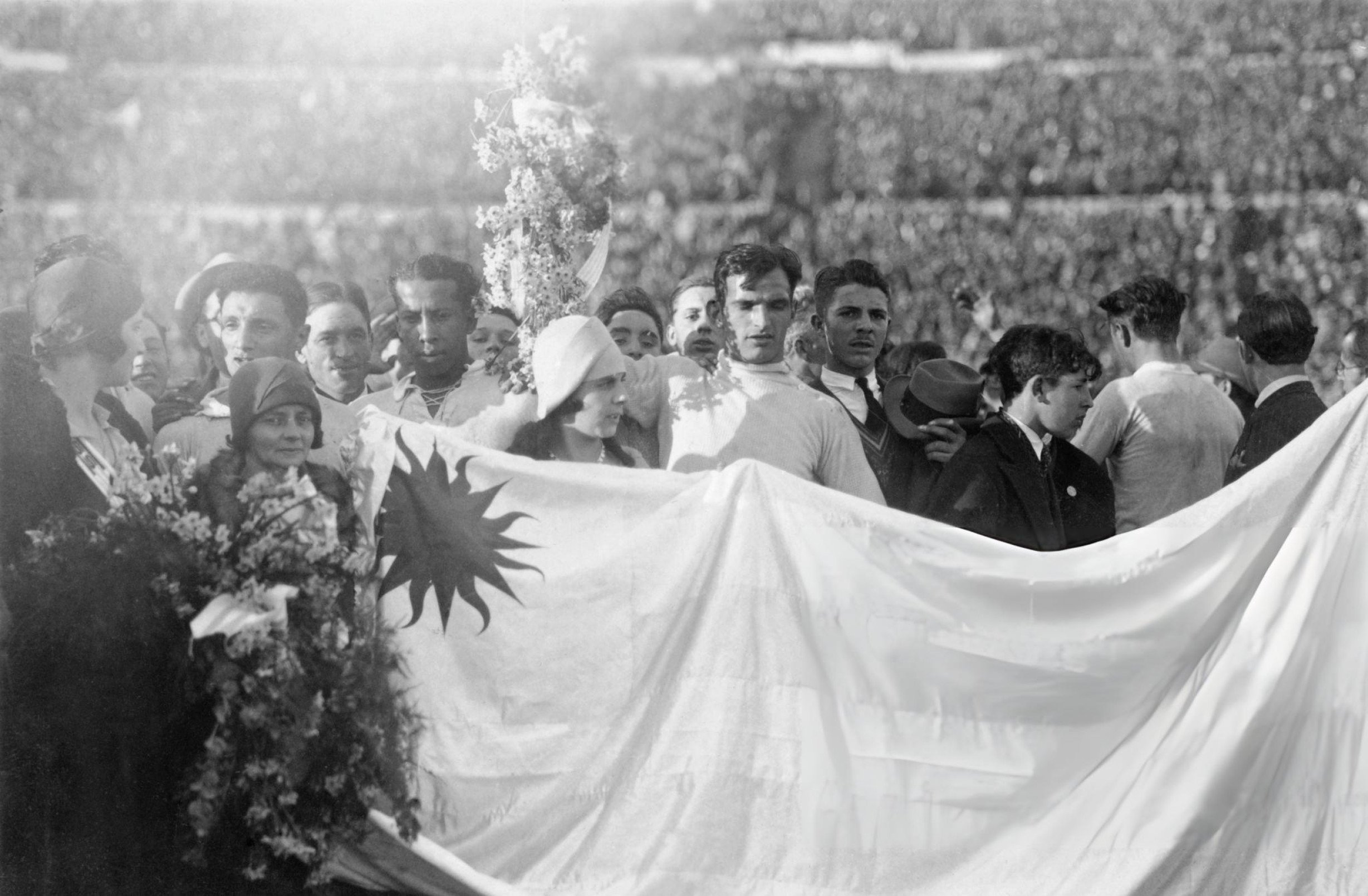
Words by Chris Lee | Published 17.06.2026Uruguay was the world’s first footballing superpower. At a time when the population of this tiny young Republic was little under two million, it won the first three championships organised by FIFA; two Olympic golds (1924, 1928) and the first World Cup (1930), before adding a fourth World Cup in 1950.
That’s why Uruguay has four gold stars above its crest while other world champions have one per World Cup triumph. Despite holding its head in the Copa América and often going deep into modern World Cups, Uruguay’s golden era lies in the past.
So how does it mark that heritage?
El Museo Estadio Centenario
Walking the circumference of the Estadio Centenario, built to host the first World Cup in 1930 but still unfinished at the tournament’s opening rounds, is quite an understated experience compared to what awaits the visitor on the inside. Its grey exterior is dotted with advertisements and shrouded in concrete.
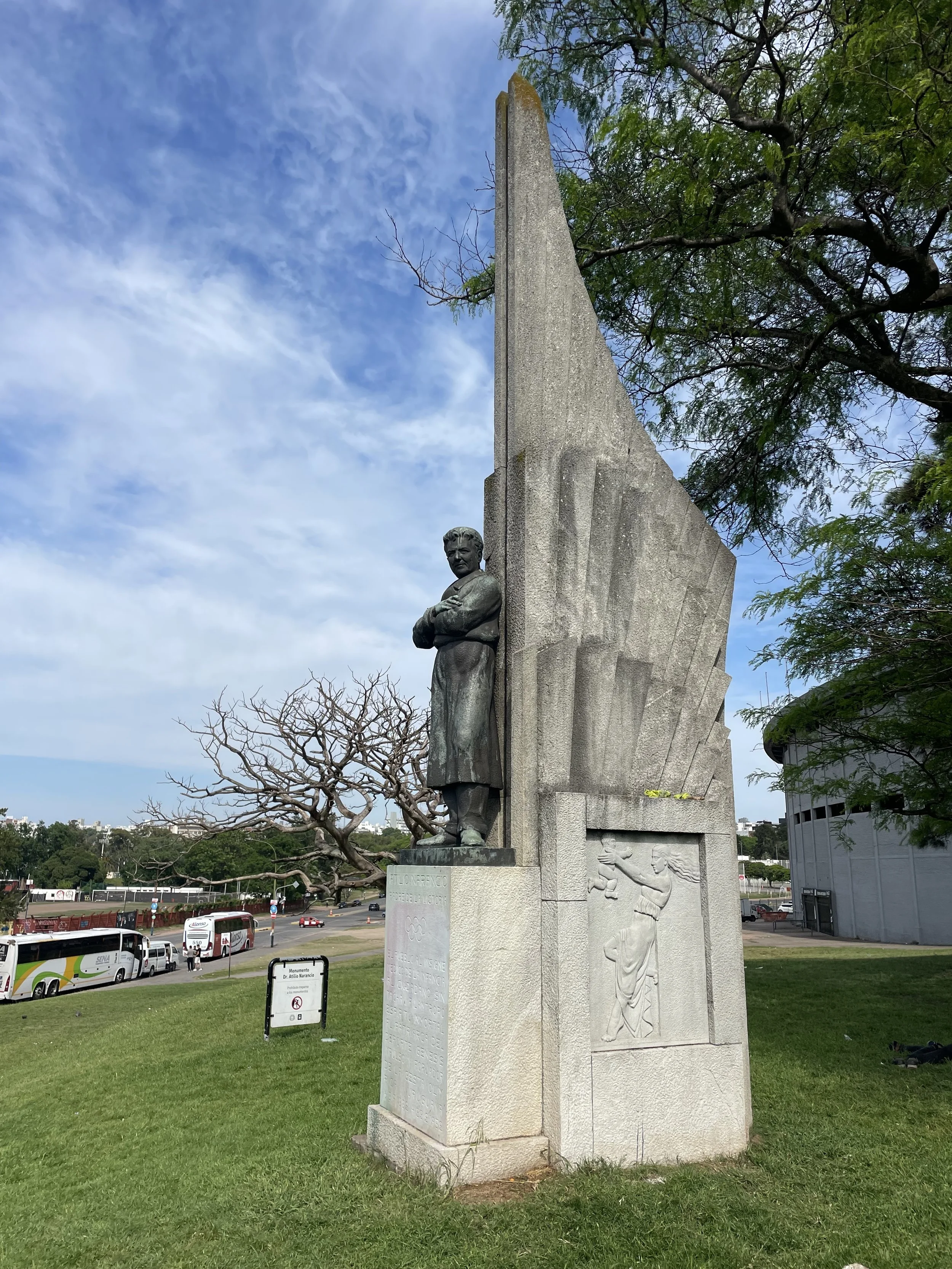
Yet there is one statue of note outside that commemorates the man who kick-started Uruguay’s global presence. Atilio Narancio is cast in art deco glory, arms folded. Naracio was a doctor, politician, and a future president of Nacional, who remortgaged his house to help fund El Celeste (The Sky Blue – the Uruguayan national side) to attend the Paris Olympics. The rest of the tour was funded by a tour of Spain en route to the French capital.
Paris 1924 put Uruguay on the world map. At Uruguay’s debut, a 7-0 rout of Yugoslavia, the hosts managed to hold the Uruguayan flag upside down and played the wrong national anthem. Without football, would we have even heard of Uruguay? Amsterdam 1928 proved the power of Uruguayan football once more, and the country was awarded the right to host the inaugural FIFA World Cup based on its back-to-back golds.
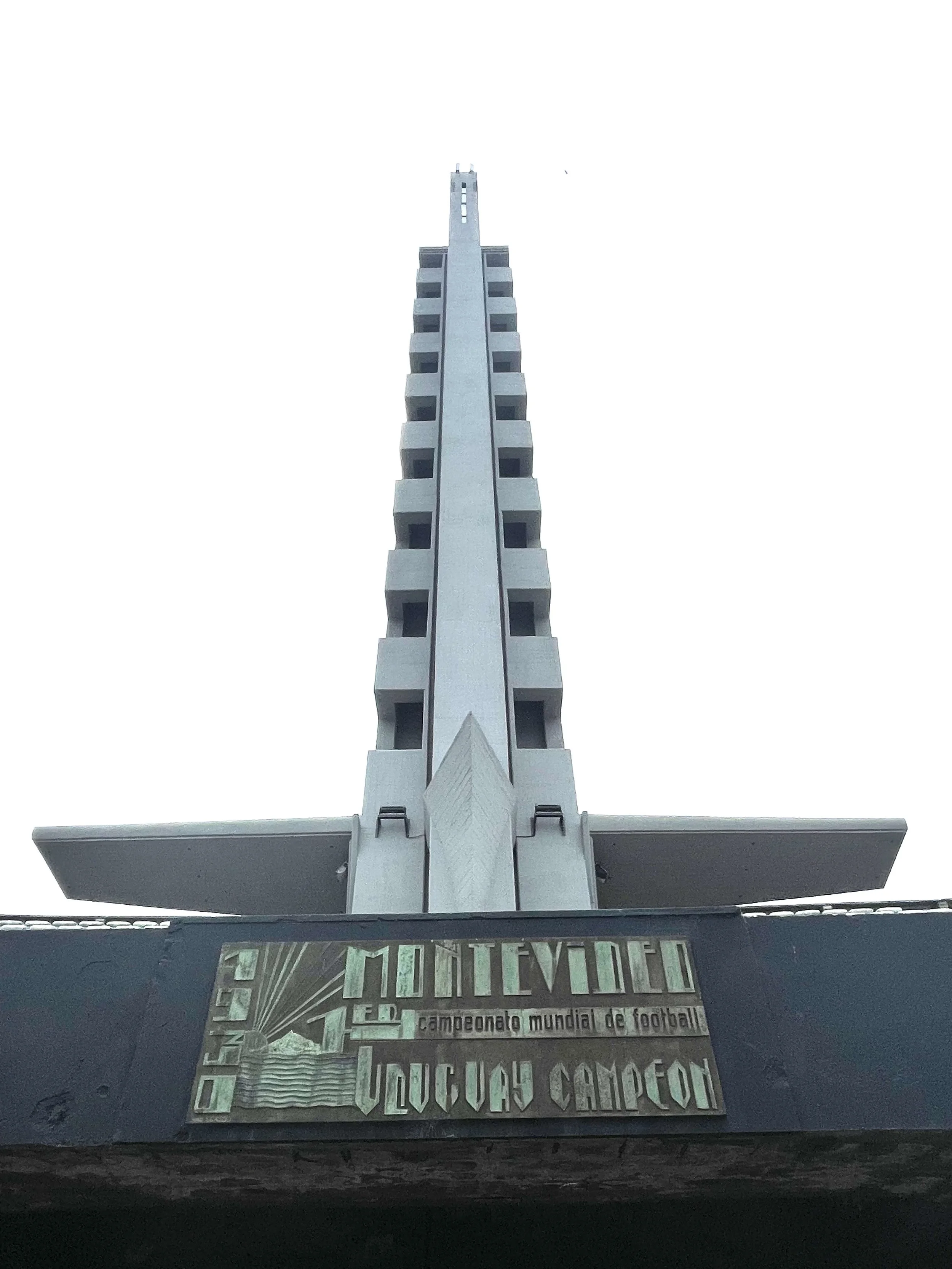
Uruguay built an arena fit for the occasion in time for the country’s own centenary, and duly won the first World Cup, beating arch-rivals Argentina as they had two years earlier in the Netherlands. The stands are named after the Celeste’s glories of that age – Colombes (1924), Ámsterdam (1928), América for the continental competition and Olímpica for the Olympics.
Set aside a good couple of hours for the stadium itself. The museum contains a rich collection of artefacts from Uruguay’s early tournaments, as well as domestic football antiquities. There are portraits of the great 1924-30 side, and Héctor Scarone’s bloodied shirt from the pre-1924 Olympic tour of Spain. There are early trophies, like the 1917 Copa América, as it’s now known, and posters from the 1930 World Cup.
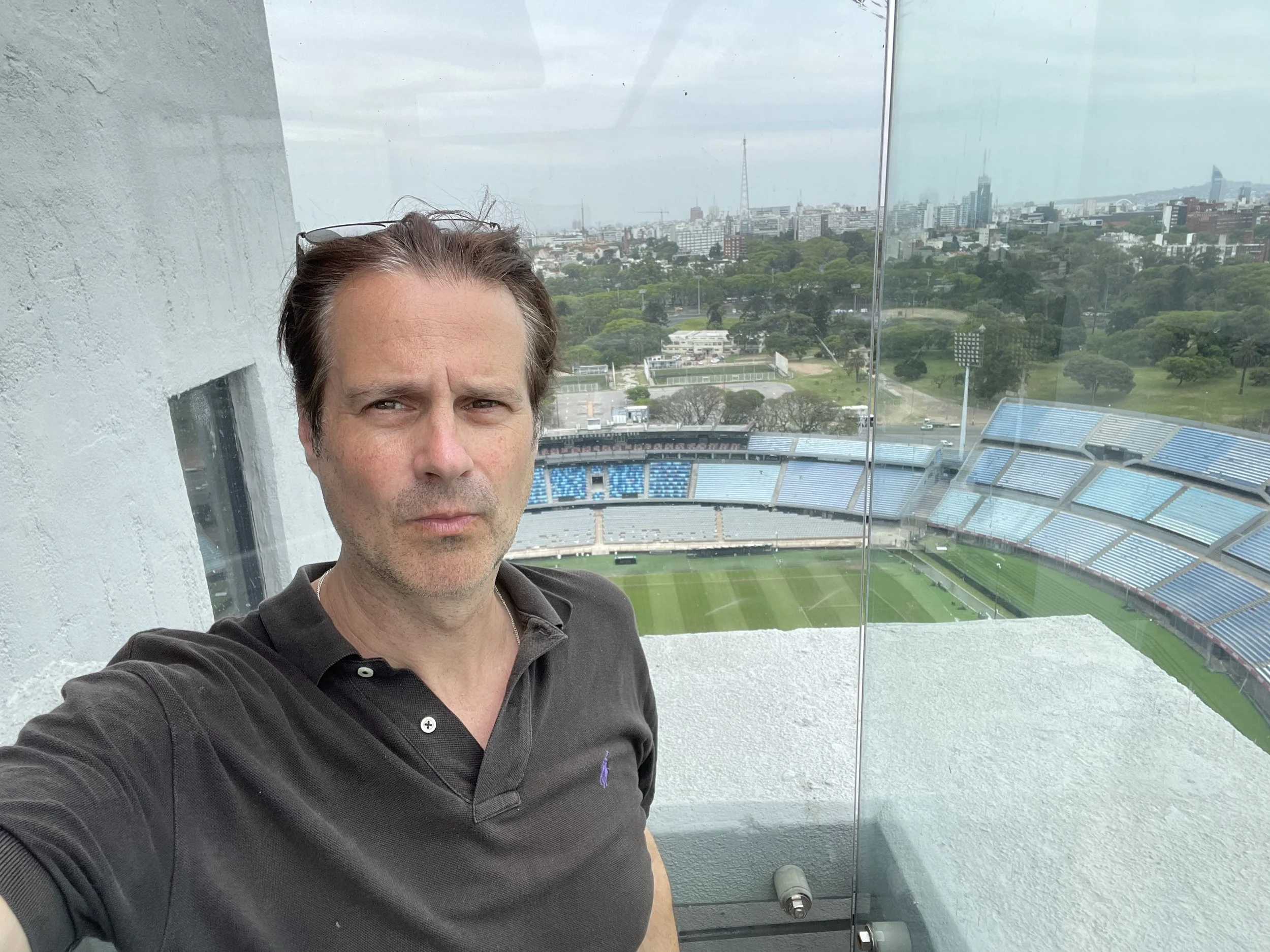
Don’t miss the opportunity to go up the 100m-high Torre de los Homenajes (Tower of Tributes) for amazing views across Montevideo and get a sense of scale. There’s often a domestic game on at the Centenario, so see if you can get to one.
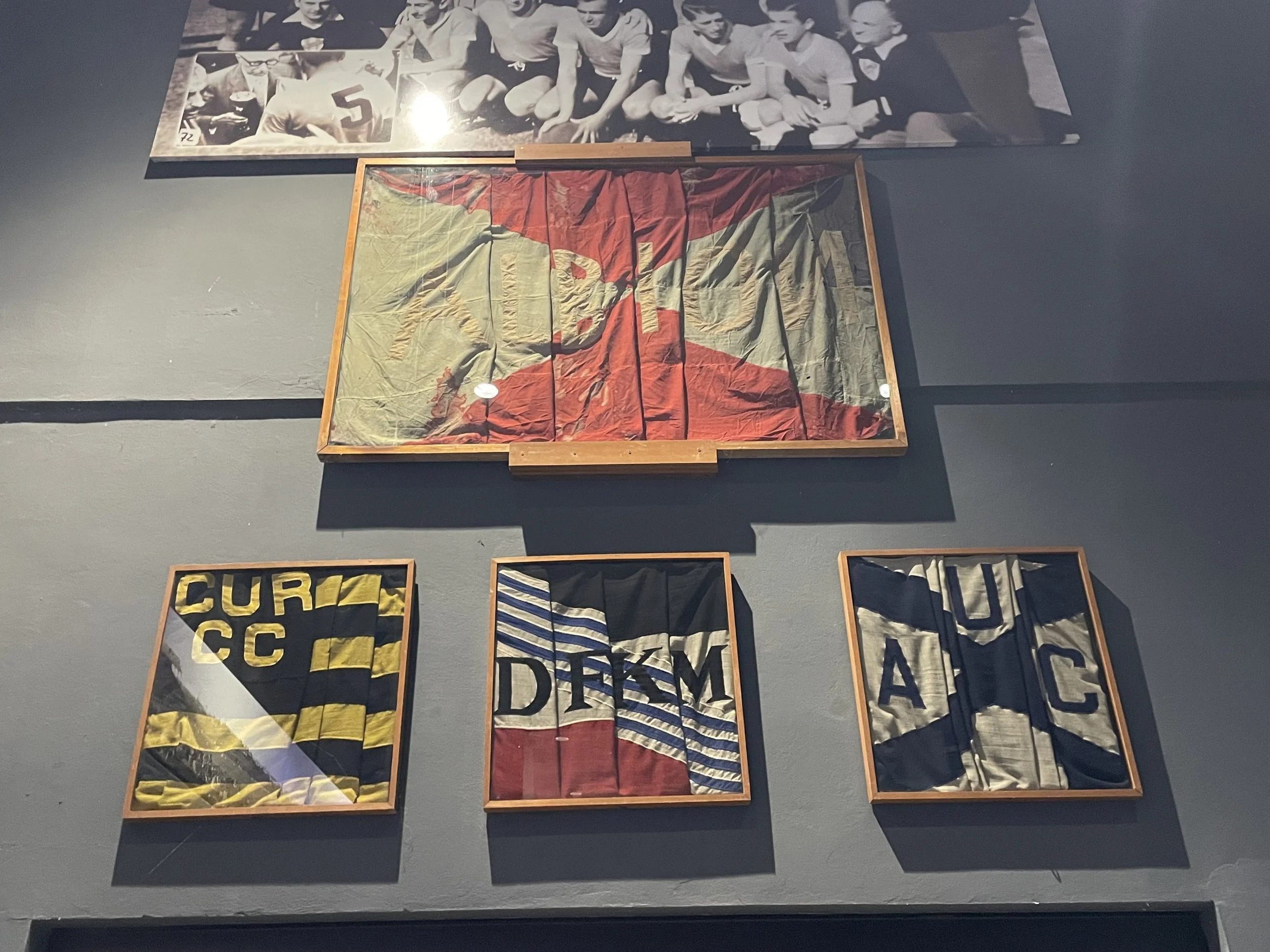
Flags of old Uruguayan clubs in the Centenario Museu.Gran Parque Central
While the Estadio Centenario was still in its final stages of completion, two other grounds in Montevideo hosted group-stage matches. One was Peñarol’s Estadio Pocitos, now long gone and covered in urban sprawl, and the other was Nacional’s Gran Parque Central.
On 13 July 1930 at 3pm, both stadiums witnessed the first kick-offs in World Cup history. Spectators at Estadio Pocitos would see the first goal, Lucien Laurent for France against Mexico, while at Gran Parque Central, a US team stuffed with Scots émigrés beat Belgium 3-0.
Gran Parque Central has changed a lot since then, but the stadium tour is one of the best around. There’s a hall with mannequins dressed in the kits of the 13 countries that attended the 1930 World Cup. Pitch side, there is a statue to the first hincha, a South American word for ‘fan’. It means ‘puffer’, and Prudencio Reyes, who was Nacional’s ball inflator at the turn of the 20th century, became renowned for his enthusiastic support for the club, shouting ¡Arriba, Nacional! (up with Nacional) along the touchline.
Watching eagerly from the stands is a statue of tango legend, Carlos Gardel, ownership of whom is hotly debated between Uruguay and its sibling rival across the River Plate, Argentina. Was Gardel Uruguayo or Argentino? He was actually born in Toulouse, France, and spent time on both sides of the Rio de la Plata. Looking dapper in his suit and Trilby and with cane outstretched, Gardel sits in what was his favourite seat. Across the water in Argentina, sos Gardel means ‘you’ve made it’.
Gran Parque Central is significant to the Uruguayan people because on the land was once La Quinta de la Paraguaya, a country house where the ‘father of the Uruguayan nation’, General José Artigas, was proclaimed ‘Leader of the Orientales’ in 1811. This process led to the creation of Uruguay as a country.
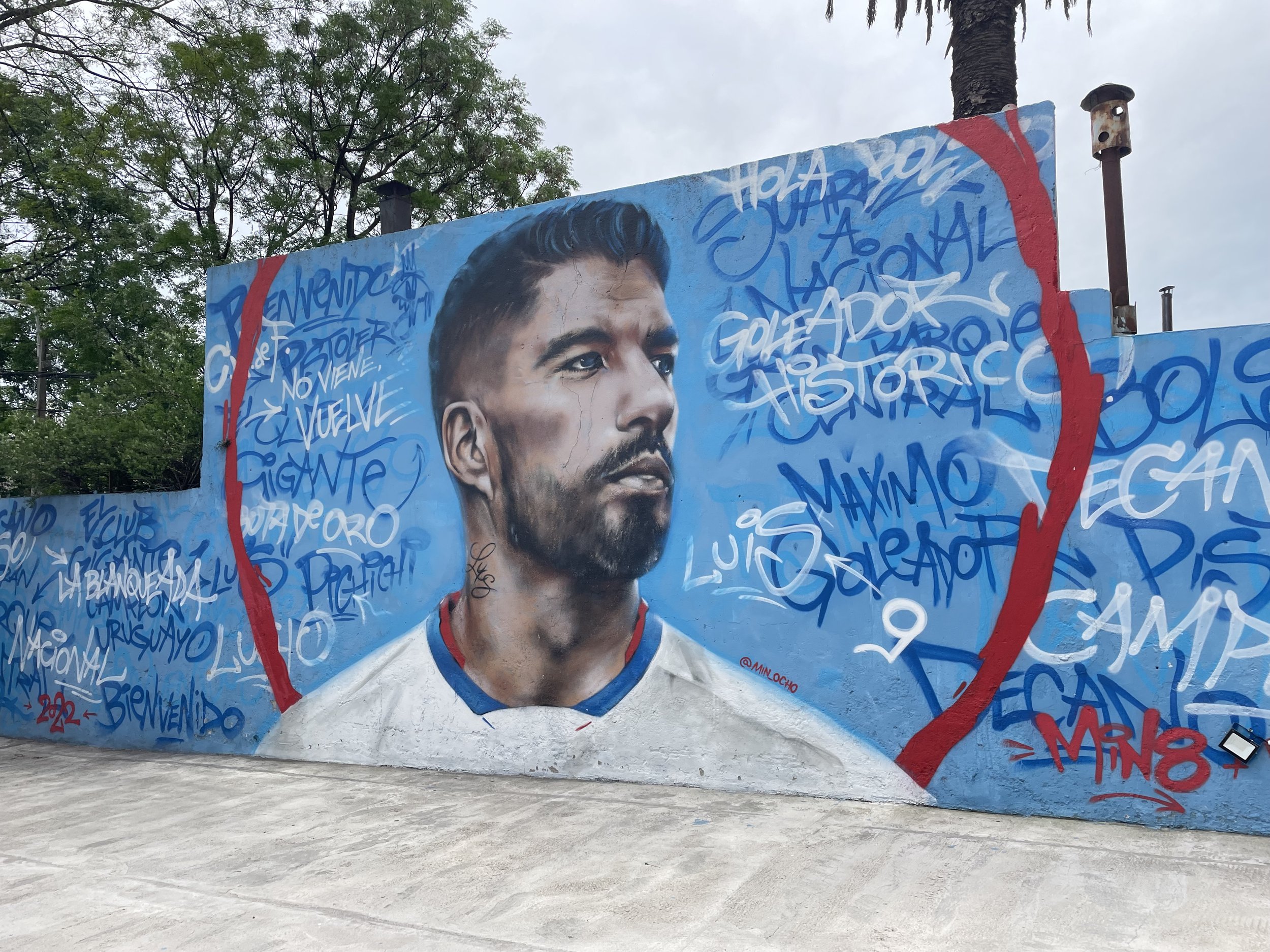
Club Nacional de Football, who play at Gran Parque Central, were the first club in South America founded by criollos (locally born people, usually of Spanish or Italian heritage) at a time when Uruguayan football was dominated by English, Scottish, and German players. Nacional opted for Artigas’ red, white and blue for its kit. Luis Suárez played here at the start and near the end of his career and has a mural outside the ground in recognition of his service and being Uruguay’s all-time leading goalscorer.
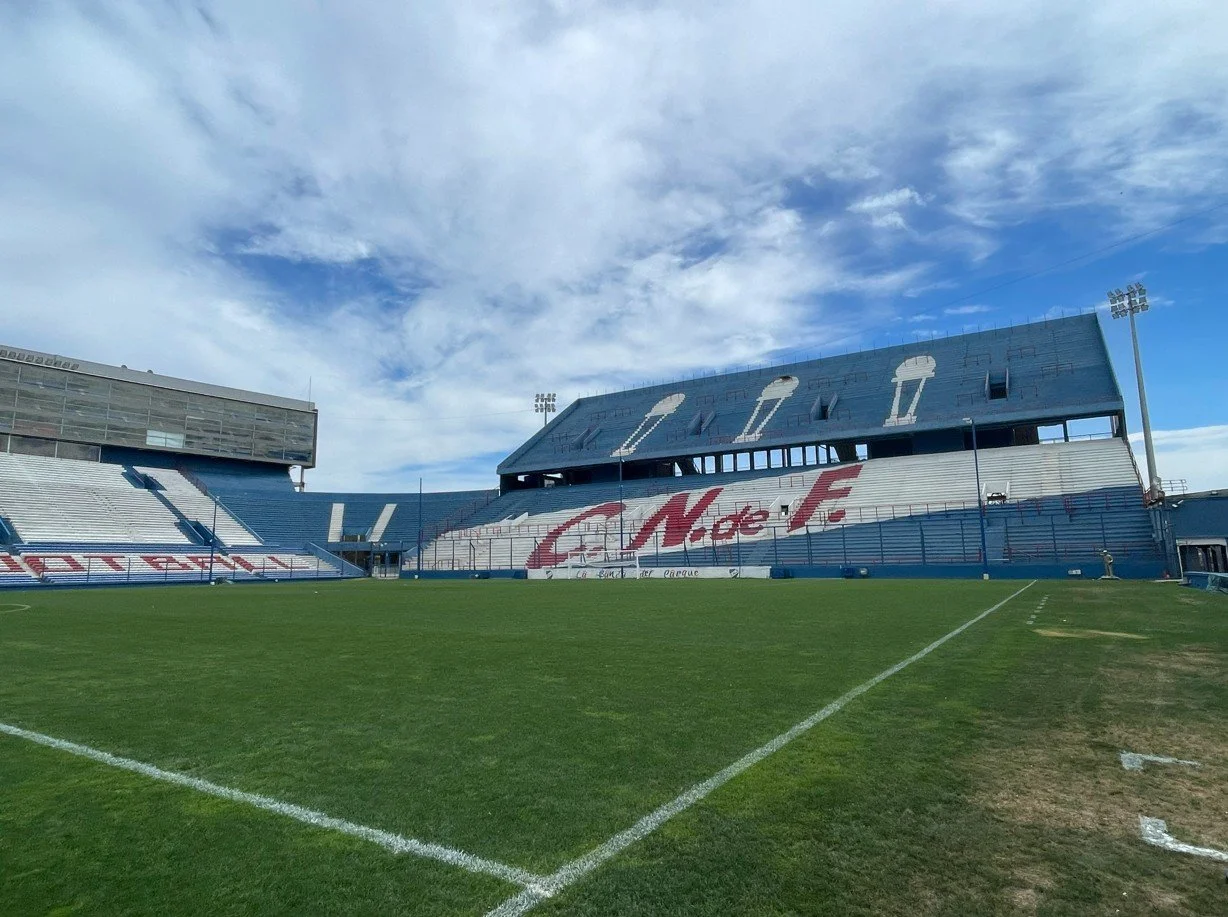
The Main Stand at Gran Parque Central.Be Sure to Visit Uruguay
I first went to the Estadio Centenario in the year 2000 and saw a ‘Copa Mercosur’ (now Copa Sudamericana) match between Nacional and Corinthians of São Paulo. It was a pretty dire match, but the Nacional barra (ultras) were nothing like I’d ever seen, and to be under the tower in the ground where the first World Cup final was played was just epic.
I returned in 2024, although just visited the museums at the Estadio Centenario, Gran Parque Central, and Peñarol’s museum, which is quite central while their new stadium is way out of the city.
There are so many clubs in Montevideo and quirky grounds, like Defensor Sporting, Danubio, or River Plate (Uruguay). If you’re planning a groundhop in Buenos Aires, definitely get the ferry over to Montevideo and experience its rich football history for yourself. Uruguay flies under the radar as a destination, but its football means that everyone knows its name.